Geotextile Fabric Fundamental Properties
High-performance geotextile fabric selection hinges on a thorough understanding of its fundamental properties. These characteristics dictate how a geotextile will perform under various environmental and mechanical stresses. Key geotextile material properties include tensile strength, which measures the fabric’s resistance to breaking under tension, and puncture resistance, indicating its ability to withstand localized damage. Geotextile permeability is vital for drainage and filtration applications, defining how easily water can pass through the fabric. Geotextile durability, encompassing resistance to UV degradation, chemical attack, and biological clogging, ensures long-term performance. Geotextile filtration characteristics, such as apparent opening size (AOS), determine the fabric’s effectiveness in retaining soil particles while allowing water flow. Each property plays a critical role in the overall functionality and success of the geotextile in its intended application.
Selection Criteria for Diverse Engineering Projects
Effective geotextile selection criteria involve a systematic evaluation of project-specific demands. Engineers must consider geotextile design considerations, including the intended function (e.g., separation, filtration, reinforcement), soil conditions, hydraulic gradients, and expected loads. Geotextile application suitability varies significantly; a project requiring soil stabilization beneath a road will demand different properties than one focused on erosion control. Analyzing geotextile project requirements thoroughly means accounting for factors like installation stresses and anticipated service life. Geotextile environmental factors, such as exposure to chemicals, UV radiation, or extreme temperatures, also heavily influence material choice.
What are the key properties to consider when selecting geotextile fabric?
When selecting geotextile fabric, several key properties demand close attention to ensure optimal performance. Geotextile tensile strength is critical for applications requiring reinforcement or load distribution, preventing material deformation. Geotextile puncture resistance measures the fabric’s ability to resist damage from sharp aggregates or site debris, crucial during installation and throughout its service life. The geotextile flow rate dictates how efficiently water passes through the fabric, directly impacting drainage and filtration effectiveness. Geotextile UV resistance is essential for any exposed application, preventing degradation from sunlight and maintaining long-term integrity.
| Property | Primary Function | Key Metric | Relevant Application Example |
|---|---|---|---|
| Tensile Strength | Reinforcement, Stabilization | kN/m | Road base reinforcement, retaining walls |
| Permeability | Drainage, Filtration | Flow Rate (L/min/m²) | Subsurface drainage, sediment control |
| Puncture Resistance | Protection | CBR Puncture (N) | Liner protection, aggregate separation |
| Apparent Opening Size (AOS) | Filtration | O95 (mm) | Preventing soil migration in drainage systems |
| UV Resistance | Durability | % Strength Retained | Exposed slopes, temporary erosion control |
Optimizing Geotextile Functionality Across Applications
Optimizing geotextile functionality requires matching the fabric type to the specific engineering challenge. In applications demanding geotextile filtration function, such as subsurface drainage systems, nonwoven geotextiles excel due to their high permeability and effective particle retention. When a geotextile separation layer is needed to prevent intermixing of dissimilar soil layers, both woven and nonwoven fabrics can be suitable, depending on the required strength and filtration characteristics. Geotextile erosion control often utilizes nonwoven fabrics for their ability to stabilize soil and allow vegetation growth, while geotextile drainage systems benefit from fabrics with high flow rates. For structural support, geotextile reinforcement applications, like those in retaining walls or road bases, frequently employ high-strength woven geotextiles or geogrids.
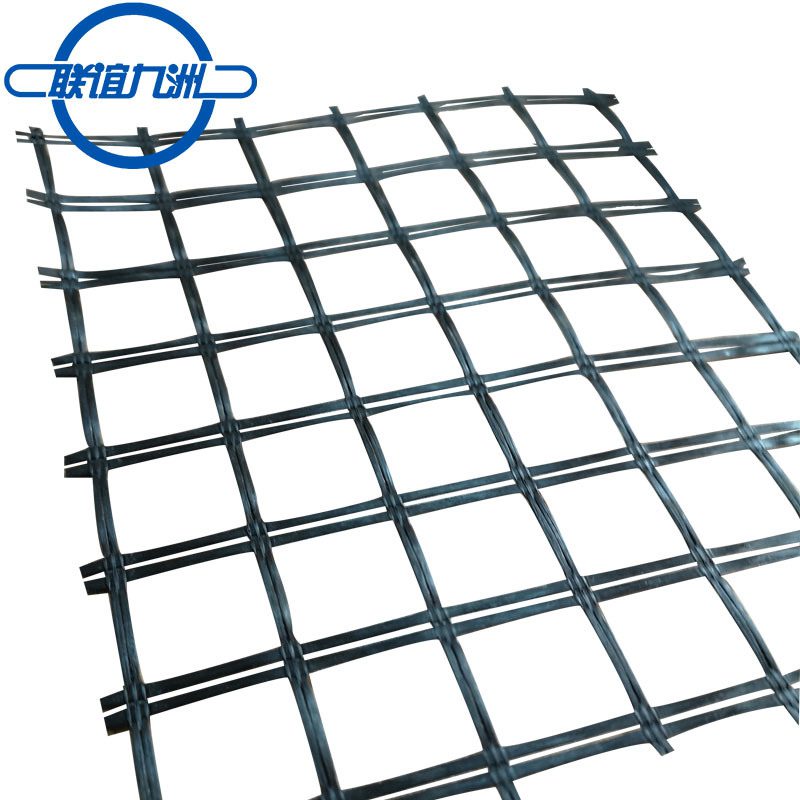
How does geotextile fabric prevent soil erosion and improve drainage?
Geotextile fabric prevents soil erosion by forming a protective barrier that stabilizes the soil surface against wind and water forces. It improves drainage by allowing water to pass through while retaining soil particles, preventing clogging of drainage systems. This dual function is crucial for maintaining the integrity of slopes, embankments, and other earthworks. A PP Non-Woven Geotextile can effectively filter water while preventing fine soil particles from migrating, thus preserving the drainage capacity of the system.
What is the difference between woven and nonwoven geotextiles for specific applications?
Woven geotextiles are manufactured by interlacing synthetic fibers, resulting in a fabric with high tensile strength and low elongation, making them ideal for reinforcement and separation applications where strength is paramount. Nonwoven geotextiles are produced by bonding fibers randomly, creating a fabric with excellent permeability, filtration, and cushioning properties, suitable for drainage, filtration, and protection. A PET Woven Geotextile might be used for heavy-duty road reinforcement, while a Polyester Spunbond Non-Woven Fabric would be chosen for a subsurface drainage project.
Quality Assurance and Industry Standards for Geotextiles
Ensuring the long-term success of any project necessitates rigorous geotextile quality control and adherence to established industry standards. Products that meet stringent specifications guarantee consistent performance. Geotextile industry standards, such as those set by ISO and ASTM, provide critical benchmarks for material properties and testing methods. Achieving geotextile certifications, including ISO 9001, confirms a manufacturer’s commitment to quality management systems. Products like Asphalt Fiberglass Geogrid are manufactured under strict ISO 9001:2015 guidelines. Comprehensive geotextile testing methods, encompassing tensile strength, permeability, and UV resistance, are essential to verify product specifications before deployment.
Innovations in Geotextile Technology and Future Trends
The field of geosynthetics is continuously evolving, with advanced geotextile materials pushing the boundaries of performance. Geotextile innovation focuses on developing products with enhanced durability, greater strength-to-weight ratios, and improved environmental resistance. Sustainable geotextiles, incorporating recycled content or biodegradable polymers, represent a significant future trend, aligning with global environmental objectives. Emerging geosynthetic product trends include multi-functional composites, like Combigrid, which combine reinforcement and separation capabilities, offering integrated solutions for complex engineering challenges.
Successful Geotextile Implementation Examples
Real-world applications powerfully demonstrate the impact of correctly selected geotextiles. Numerous geotextile project examples showcase how these materials enhance infrastructure resilience and longevity. In a major highway construction project, the strategic deployment of high-strength woven geotextiles as a separation layer prevented subgrade contamination and significantly extended pavement life. Another success story involved using nonwoven geotextiles in a challenging landfill capping project, where they provided effective filtration and protection for the geomembrane liner. These geotextile civil engineering applications underscore the importance of selecting the right material for specific needs.
Partner with Feicheng Lianyi for Superior Geosynthetic Solutions
Elevate your next civil engineering project with superior geosynthetics. As a world-class leader in innovative geotextile solutions, Feicheng Lianyi Engineering Plastics Co.,Ltd. offers unparalleled expertise and a comprehensive range of certified products designed for optimal performance and durability. Partner with us for a one-stop geosynthetics solution that meets the most demanding project specifications. Contact [email protected] or call +86 19153868161 to discuss your specific needs.
Frequently Asked Questions About Geotextile Fabric Selection
What factors influence the long-term performance of geotextile fabric in harsh environments?
The long-term performance of geotextile fabric in harsh environments is primarily influenced by its resistance to UV degradation, chemical attack, biological clogging, and mechanical damage. Selecting geotextiles with appropriate raw materials and stabilization additives is crucial. High-quality polypropylene or polyester geotextiles with excellent UV stabilizers are essential for exposed applications, while robust nonwoven geotextiles offer superior puncture resistance in aggressive soil conditions.
How do I choose the correct geotextile fabric for road construction and pavement reinforcement?
For road construction and pavement reinforcement, the selection of geotextile fabric depends on the specific function required. For separation and filtration beneath granular layers, a nonwoven geotextile with good permeability and puncture resistance is ideal. For reinforcement, a high-tensile strength woven geotextile or geogrid is often preferred to distribute loads and prevent reflective cracking. Key considerations include the subgrade soil type, traffic loads, and desired service life of the pavement structure.
What are the common mistakes to avoid when specifying geotextile fabric for a project?
Common mistakes when specifying geotextile fabric include underestimating environmental stresses, overlooking the importance of proper installation, and selecting a fabric based solely on cost rather than performance requirements. Avoid specifying a geotextile with insufficient filtration characteristics, inadequate tensile strength for reinforcement, or poor resistance to site-specific chemical conditions. Always refer to project-specific design criteria and accredited test data to ensure optimal geotextile selection.
]]>How Geotextiles Actually Work in Hydraulic Engineering
Geotextiles are permeable synthetic fabrics designed to work alongside soil, rock, and other geotechnical materials. In hydraulic engineering, they handle four main jobs: filtration, separation, drainage, and protection. As geosynthetic drainage components, they stop soil particles from migrating while letting water pass through freely. This balance keeps water-related structures intact over time. When erosion threatens a slope or channel, these fabrics lock soil particles in place against moving water. Geotextile separation layers prevent different materials from mixing together, which preserves the performance of granular drainage layers. These basic functions translate directly into structures that stay stable and keep working.
Making Subsurface Drainage Systems Last Longer
Geotextiles change how subsurface drainage systems perform over their entire service life. They filter out fine soil particles that would otherwise migrate into drainage aggregates and eventually choke off water flow. This keeps the hydraulic conductivity of the system consistent year after year. Specialized filtration geotextiles maintain steady water movement, which reduces hydrostatic pressure buildup and keeps surrounding soils stable. Roadbeds, building foundations, and agricultural fields all depend on effective subsurface drainage. Excess water in any of these situations leads to structural damage or crop losses. Integrating the right geotextile materials creates geosynthetic drainage solutions that actually perform as designed.
How do geotextiles prevent clogging in drainage systems?
Geotextiles prevent clogging through their engineered pore size distribution and permeability characteristics. They create a stable filter layer that holds back soil particles while water flows through without restriction. This mechanical filtration stops fines from working their way into drainage aggregate, which preserves the void ratio and permeability of the granular layer. The practical result is drainage capacity that holds steady over time and systems that need far less maintenance.
Protecting Riverbanks and Controlling Erosion
Riverbank protection and erosion control depend heavily on geotextiles. These materials stabilize soil, prevent scour, and resist water-induced erosion across a wide range of conditions. Nonwoven geotextiles reinforce soil slopes and line channels, holding particles in place against flowing water. When protecting riverbanks, geotextile layers typically go beneath riprap or other hard armor systems. This prevents the underlying soil from washing out through gaps in the armor. The combination provides stability that lasts and cuts down on sediment moving downstream.
Water Retention and Filtration Performance
Geotextiles manage both water flow and water quality in retention and filtration applications. Retention ponds, reservoirs, and filtration basins all benefit from properly selected geotextile components. Filtration geotextiles pull suspended solids out of water before it gets discharged or infiltrates into the ground. Geotextile barriers boost liner performance by protecting against subgrade contamination and maintaining containment system integrity. This supports better overall hydrological cycle management across the project area.
What are the long term performance benefits of geotextiles in water management?
Long-term performance benefits stack up significantly. Geotextiles resist degradation from chemical exposure, biological activity, and UV radiation. This durability translates to consistent performance spanning decades, which extends infrastructure life well beyond what unprotected systems achieve. Lower maintenance costs and more reliable system operation follow directly from the material properties and design approach.
Matching Geotextiles to Specific Hydraulic Conditions
Picking the right geotextile determines whether a project succeeds under its actual operating conditions. The selection process weighs hydraulic conditions, soil characteristics, and performance requirements specific to each site. Permeability, pore size, tensile strength, and puncture resistance all factor into the decision. The geotextile that works for one application may fail completely in another. Getting this match right means the material performs its intended function reliably, whether that function is filtration, separation, or protection.

Which geotextile types are best for different hydraulic applications?
Different geotextile types excel in different situations. Woven geotextiles deliver high tensile strength, making them the choice for separation and reinforcement where soils are relatively stable. Nonwoven geotextiles provide better filtration and drainage because their random fiber arrangement creates high permeability. Geocomposite drainage products combine geotextiles with other geosynthetics to handle drainage and protection in more complex scenarios.
| Geotextile Type | Primary Function | Typical Applications | Key Advantage |
|---|---|---|---|
| Nonwoven Geotextile | Filtration, Drainage, Protection | Subsurface drains, Erosion control, Geomembrane protection | Excellent filtration and permeability |
| Woven Geotextile | Separation, Reinforcement | Roadway stabilization, Embankment reinforcement | High tensile strength |
| Geocomposite | Drainage, Protection | Landfills, Retaining walls, Road construction | Multi-functional, enhanced drainage |
Partner with Lianyi® for Advanced Geosynthetic Solutions
Elevate your water and drainage projects with Lianyi®’s world-class geosynthetic solutions. As a leading ISO 9001:2015 certified manufacturer, we provide unparalleled expertise and innovative geotextile products tailored to your specific engineering challenges. Contact us today at [email protected] or +86 19153868161 for a one-stop geosynthetics solution.
FAQ
What role do geotextiles play in preventing soil erosion in water channels?
Geotextiles, particularly nonwoven and woven types, are crucial in erosion control for water channels. They act as a filter layer, preventing fine soil particles from migrating while allowing water to pass through, thereby stabilizing banks and reducing sediment load. This preserves the integrity of the channel and surrounding infrastructure.
How do geotextile separation layers improve the performance of drainage systems?
Geotextile separation layers are vital in drainage systems by preventing the intermixing of dissimilar soil layers. This maintains the purity and permeability of granular drainage layers, ensuring efficient water flow and preventing clogging. Without proper separation, fine particles can infiltrate the drainage aggregate, significantly reducing system lifespan and effectiveness.
Can geotextiles be used in conjunction with geomembranes for water containment projects?
Absolutely. Geotextiles are frequently used as protective layers for geomembranes in water containment projects like reservoirs and landfills. They cushion the geomembrane from punctures by sharp aggregates and provide a drainage path for gases or liquids, enhancing the overall integrity and longevity of the containment system. This geocomposite approach offers superior performance.
Why Slopes Fail and Why Traditional Fixes Often Miss the Mark
Slope instability shows up in geotechnical work constantly, driven by factors that range from obvious to subtle. Excessive pore water pressure weakens soil structure from within. Seismic activity shakes loose what seemed stable. Rapid water level changes—think heavy rains followed by quick drainage—create conditions that catch engineers off guard. Human decisions make things worse too: cutting into hillsides without proper analysis, loading slopes beyond their capacity, or simply underestimating how soil behaves under stress.
These conditions trigger different failure patterns. Rotational slides carve out curved failure surfaces. Translational slides move along planar weak zones. Debris flows turn solid ground into moving slurry. Each mechanism demands a different response for effective soil erosion prevention.
The conventional toolkit—heavy retaining walls, soil nailing, extensive earthwork—gets the job done in many cases. But these methods come with baggage. Massive excavation disturbs surrounding areas. Material costs climb quickly. Construction timelines stretch. And here’s what bothers experienced practitioners: these approaches sometimes treat symptoms rather than causes, providing stability that erodes over years rather than decades.
How Geogrids Actually Work in Slope Reinforcement
Geogrids changed the game for geosynthetic reinforcement, and understanding why requires looking at what happens at the soil-geogrid interface. When you place a HDPE Uniaxial Geogrid or Fiberglass Geogrids within a soil mass, something interesting occurs. Soil particles and aggregates interlock with the grid apertures, creating a composite material that behaves differently than either component alone.
This mechanical interaction does several things simultaneously. Tensile strength increases dramatically in the reinforced zone. Shear resistance improves because the grid redistributes forces that would otherwise concentrate at weak points. Load distribution becomes more uniform, preventing the localized deformation that often initiates failure.
The contrast with unreinforced slopes is stark. Without reinforcement, stability depends entirely on whatever shear strength the native soil provides—and that strength varies with moisture, temperature, and loading history. Geogrid-reinforced slopes carry a higher factor of safety because they’re not gambling on soil properties staying constant.
| Geogrid Type | Raw Material | Key Feature | Primary Application |
|---|---|---|---|
| HDPE Uniaxial Geogrid | High Density Polyethylene | High tensile strength in one direction | Steep slopes, retaining walls |
| Fiberglass Geogrids | Fiberglass yarns | High strength, low elongation, excellent for asphalt | Asphalt reinforcement, road construction |
| Basalt Geogrid Mesh | Basalt fiber yarns | High temperature resistance, strong chemical bond | Pavement reinforcement, industrial applications |
| Combigrid | PP+PET/PP | Reinforcement and separation | Road construction, soft soil stabilization |
Matching Geogrids to Site Conditions
Picking the right geogrid isn’t a catalog exercise. It starts with understanding what the site actually presents—soil type, slope geometry, what loads the structure will see over its lifetime.
HDPE Uniaxial Geogrid works well for steep slopes and retaining wall design because it concentrates strength in one direction, exactly where you need it when soil is trying to slide downhill. PP Biaxial Geogrid spreads strength in two directions, which makes sense for base reinforcement applications and slope protection methods where stresses come from multiple angles.
Environmental exposure matters more than some designers acknowledge. UV radiation degrades polymers over time if they’re not properly covered. Chemical agents in certain soils attack specific materials. Temperature extremes affect long-term creep behavior. A geogrid that performs beautifully in temperate conditions might fail prematurely in a desert environment or a chemically aggressive industrial site.
Design life expectations should drive material selection. A temporary construction slope needs different specifications than a highway embankment expected to last fifty years. Getting this match right determines whether the project delivers value or becomes a maintenance headache.
Installation Practices That Determine Success or Failure
The best geogrid in the world fails if installation goes wrong. This isn’t theoretical—field performance data consistently shows that installation quality predicts long-term outcomes better than almost any other variable.
Site preparation sets the foundation. Removing organic material, addressing drainage issues, achieving proper subgrade conditions—these steps seem basic but get skipped under schedule pressure. Soil compaction needs to hit specified densities, not just “close enough.” Geogrid orientation matters because strength properties are directional; rotating a uniaxial grid 90 degrees defeats its purpose.
Overlaps between rolls require attention. Insufficient overlap creates weak zones where reinforcement is discontinuous. The material needs protection during construction—equipment traffic can damage grids before they’re covered, and UV exposure during extended laydown periods degrades polymer properties.
Quality control catches problems before they become permanent. Field density testing confirms compaction. Visual inspection identifies damaged sections, improper orientation, or inadequate overlaps. Drainage systems and erosion control measures work alongside the geogrid, not as afterthoughts.
Projects that follow geosynthetic engineering standards and manufacturer guidelines consistently outperform those that cut corners. The correlation between installation discipline and durable slope stability is strong enough that experienced practitioners can often predict long-term performance by watching how the installation crew works.
For those wanting deeper background on geosynthetic material differences, 《The Difference Of Geomembrane And Composite Geomembrane》 covers related ground worth understanding.
The Numbers Behind Geogrid Economics and Environmental Performance
Cost comparisons between geogrid solutions and traditional methods favor geogrids more often than skeptics expect. The savings show up in multiple categories.
Excavation volumes drop because reinforced slopes can be steeper than unreinforced alternatives, requiring less cut-and-fill work. Imported fill requirements decrease when native materials can be reinforced rather than replaced with select granular material. Project timelines compress because geogrid installation moves faster than placing and compacting massive retaining structures.
Labor hours fall. Equipment rental periods shorten. Site disturbance shrinks, which matters when working near existing structures or sensitive areas.
The environmental case for sustainable slope stabilization builds on these same factors. Less excavation means less material hauled to disposal sites. Reduced fill imports mean fewer truck trips and lower fuel consumption. Smaller equipment footprints mean less habitat disruption.
Long-term performance amplifies these benefits. A geogrid-reinforced slope that holds for decades without significant maintenance avoids the repeated interventions that conventional approaches sometimes require. Fewer repairs mean fewer mobilizations, less material consumption, and lower lifetime carbon footprint.
The geosynthetic solutions ROI calculation improves further when you factor in avoided failures. Slope failures are expensive—not just the repair costs, but the liability exposure, the schedule impacts on dependent work, and the reputational damage that follows visible project problems.
Partner with Lianyi® for World Class Geosynthetic Solutions
As a leading manufacturer of innovative geosynthetics, Feicheng Lianyi Engineering Plastics Co.,Ltd offers unparalleled expertise and a comprehensive range of geogrid products. Contact us today to discuss your specific slope stabilization challenges and discover how our certified, high-performance solutions can ensure the long-term integrity and safety of your projects. Reach out to our technical team for a tailored consultation and experience superior product quality backed by exceptional customer service. Mobile: +86 19153868161 | Email: [email protected]
Frequently Asked Questions About Geogrid Slope Stabilization
What types of geogrids are best for different slope conditions?
The optimal geogrid type depends on factors like soil characteristics, slope angle, loading conditions, and desired design life. HDPE Uniaxial Geogrid are ideal for steep slopes requiring high tensile strength in one direction, while PP Biaxial Geogrid provide strength in two directions, suitable for base reinforcement and general slope stability. Our experts at Lianyi® can help you select the most effective geogrid for your specific project, considering all geotechnical parameters.
How does geogrid installation impact long term slope stability?
Proper geogrid installation is paramount for achieving long-term slope stability. Key factors include adequate soil compaction, correct geogrid orientation, proper overlap, and protection from UV degradation and mechanical damage during construction. Adhering to manufacturer guidelines and established engineering practices ensures the geogrid functions as intended, providing durable reinforcement against soil erosion and slope failure for decades. Lianyi® provides comprehensive support for effective geogrid deployment.
What are the cost benefits of using geogrids for slope stabilization?
Utilizing geogrids for slope stabilization offers significant cost benefits through reduced excavation, less imported fill material, and faster construction times compared to traditional methods like massive retaining walls. Geogrids also provide superior long-term performance, minimizing maintenance costs and preventing costly repairs due to erosion or structural failure. Investing in high-quality geosynthetic reinforcement from Lianyi® translates into substantial project savings and enhanced asset longevity.
]]>How Geogrid Reinforcement Actually Works in Bridge Foundation Design
The mechanics behind geogrid reinforcement are straightforward once you see them in action. When you embed a geogrid in soil, the apertures lock onto surrounding particles. This interlock prevents the lateral movement that causes so many foundation problems. The soil particles can’t slide past each other as easily, which bumps up both shear strength and overall stiffness.
For bridge substructures specifically, this means the foundation behaves more like a unified mass rather than loose material waiting to shift. The geogrid acts as a tension member within the soil matrix, spreading stresses across a much larger footprint than the soil could manage on its own. Concentrated loads that would normally punch through weak soil get distributed more evenly.
The practical benefits show up in several ways. Bearing capacity increases without needing to go deeper. Differential settlement drops because the reinforced zone resists localized deformation. And in soft or problematic soils where traditional foundations would require extensive treatment, geogrids often provide a workable alternative at a fraction of the cost.
Getting the design right requires matching the geogrid type to the soil conditions and anticipated loads. Placement depth matters too. Put the reinforcement too shallow and it won’t engage enough soil mass. Too deep and you lose the benefit of improved load distribution near the surface. The interaction between geogrid and surrounding material drives everything.
Selecting the Right Geogrid Type for Bridge Foundation Stability
Not all geogrids perform the same way, and picking the wrong one can undermine an otherwise solid design. The material composition, aperture geometry, and strength orientation all factor into how well a particular product will work for a given application.
Biaxial geogrids distribute strength in two perpendicular directions. This makes them well suited for general subgrade work and base reinforcement where loads come from multiple angles. PP Biaxial Geogrid and Polyester Biaxial Geogrid products handle these applications reliably because their isotropic properties match the loading conditions.
Uniaxial geogrids concentrate their strength along a single axis. When you need maximum tensile resistance in one direction, these are the choice. Retaining walls and steep slopes supporting bridge abutments fall into this category. HDPE Uniaxial Geogrid and Polyester Uniaxial Geogrid products excel here because the primary stresses align with their strength orientation.
Composite products like Combigrid combine reinforcement with separation or filtration functions. Complex soil environments often present multiple challenges simultaneously, and a single product that addresses several of them simplifies both design and construction.
| Geogrid Type | Raw Material | Key Feature | Bridge Application |
|---|---|---|---|
| Biaxial | PP, PET | Two-way strength | Subgrade stabilization |
| Uniaxial | HDPE, PET | One-way strength | Retaining walls, steep slopes |
| Composite | PP+PET/PP | Reinforcement + Filtration | Multi-functional soil improvement |
| Fiberglass | Fiberglass yarns | High tensile strength | Asphalt reinforcement |
| Basalt | Basalt fiber yarns | High temperature resistance | Asphalt overlays |
What Geogrids Actually Deliver in Bridge Foundation Projects
The bearing capacity improvements are measurable and significant. Foundations that would otherwise require overexcavation or deep piles can often work with geogrid reinforcement at shallower depths. Differential settlement drops because the reinforced zone resists the uneven compression that causes so many long-term problems.
Seismic performance improves as well. The reinforced soil mass responds more cohesively to dynamic loading, reducing the risk of localized failures during ground shaking. Load distribution across the foundation footprint becomes more uniform, which prevents the stress concentrations that lead to premature deformation.
Engineering Geogrids into Bridge Abutments
Bridge abutments present specific challenges that geogrid reinforcement addresses well. These structures transfer superstructure loads to the foundation while simultaneously retaining the approach embankment. The combination of vertical loading and lateral earth pressure creates complex stress conditions.
Layering geogrids through the abutment fill creates a reinforced soil mass with substantially higher shear strength and stiffness. The reinforcement resists lateral deformation, which is the primary failure mode for many abutment designs. For retaining wall applications, uniaxial geogrids work best because the earth pressure acts predominantly in one direction.
Site investigation drives the design process. Soil characterization identifies potential failure mechanisms, and the geogrid system gets engineered to address them specifically. Spacing between layers, embedment length into the retained soil, and connection details all require attention. Drainage integration prevents pore pressure buildup that could compromise the reinforcement.
Erosion and scour protection at the abutment face often gets overlooked, but geogrids contribute here too. The reinforced mass resists the surface erosion that gradually undermines conventional abutment fills.
How Material Properties Shape Foundation Performance
The aperture geometry determines how well the geogrid locks onto the surrounding fill. Optimal interlock transfers load efficiently and confines the soil particles effectively. Too small and the particles can’t engage. Too large and the interlock becomes weak.
Tensile strength and modulus control how much the geogrid can resist deformation under load. High-modulus materials like fiberglass provide greater stiffness, which matters when sustained loads need to be carried without creep. The material composition also determines chemical resistance and durability in aggressive soil environments.
Durability and Long Term Behavior
Bridge foundations need to perform for decades, and the geogrids within them must maintain their properties over that entire service life. Several degradation mechanisms can compromise long-term performance if not addressed during material selection.
Environmental exposure affects different materials differently. Temperature cycling, UV radiation during construction, and chemical attack from soil or groundwater all take their toll. Products like Asphalt Fiberglass Geogrid and Basalt Geogrid Mesh incorporate protective coatings and use inherently resistant materials to handle these conditions.
Creep behavior matters significantly. Under sustained tensile load, some polymer materials gradually elongate over time. This progressive deformation can reduce the effectiveness of the reinforcement if the material selection doesn’t account for it. Low-creep materials maintain their geometry and continue providing the intended support.
Installation quality affects long-term performance as much as material selection. Damage during placement, inadequate compaction of surrounding fill, or poor connection details can all compromise the system. Following proper procedures during construction pays dividends over the life of the structure.
What Affects Geogrid Performance Over Time
Chemical attack, biological activity, and UV exposure during construction can all degrade geogrid materials. Quality products resist these stressors, but the protection only works if the material specifications match the site conditions. Installation procedures matter equally. Improper handling or compaction reduces effectiveness regardless of how good the material is. Field monitoring, while not always practical, provides valuable validation of design assumptions when it can be implemented.
internal links article:The Difference Of Geomembrane And Composite Geomembrane
Project Experience and Where the Technology Is Heading
Field experience across diverse conditions has validated geogrid performance in bridge applications. Soft clay foundations, seismic zones, and challenging site geometries have all been addressed successfully. A recent project using PP Geogrid Composite with Nonwoven Geotextile for approach embankment reinforcement over weak subgrade demonstrated both faster construction and reduced material costs compared to conventional alternatives.
The technology continues advancing. Composite geogrids with enhanced multi-functional properties are expanding the range of problems that can be solved with a single product. Material research focuses on improved durability, better creep resistance, and reduced environmental impact. Smart geogrids incorporating strain and temperature sensors are emerging, offering the possibility of real-time performance monitoring throughout the structure’s service life.
| Project Type | Geogrid Application | Key Benefit | Lianyi® Product Example |
|---|---|---|---|
| Highway Bridge | Subgrade Reinforcement | Reduced Settlement | PP Biaxial Geogrid BX1200 |
| Railway Bridge | Abutment Stabilization | Enhanced Bearing Capacity | HDPE Uniaxial Geogrid |
| Overpass | Slope Reinforcement | Improved Slope Stability | Polyester Geogrid |
| Coastal Bridge | Erosion Control | Scour Protection | Combigrid |
| Urban Bridge | Foundation Reinforcement | Optimized Footprint | Fiberglass Geogrids |
Lianyi® Geosynthetic Solutions for Bridge Foundation Projects
Feicheng Lianyi Engineering Plastics Co.,Ltd. manufactures geogrid products engineered for demanding bridge foundation applications. ISO 9001:2015 certification backs the quality and consistency of every product. The company provides technical support for product selection and design integration, along with comprehensive guidance for proper installation. Contact the team to discuss specific project requirements. Mobile: +86 19153868161 | Email: [email protected]
Frequently Asked Questions About Geogrid Applications in Bridge Foundations
What are the primary benefits of using geogrids in bridge foundations?
Geogrids improve soil bearing capacity, reduce differential settlement, and increase resistance to seismic forces. The load distribution becomes more uniform across the foundation footprint, which prevents localized stress concentrations. Erosion resistance improves as well. For many projects, geogrid reinforcement costs less than alternative approaches like deep foundations or extensive soil replacement while delivering comparable or better performance.
How do different geogrid types influence bridge foundation stability?
Biaxial geogrids provide strength in two directions, making them suitable for general soil stabilization where loads come from multiple angles. Uniaxial geogrids concentrate strength along a single axis, which works better for retaining walls and steep slopes where the primary stresses align with that direction. Composite geogrids combine reinforcement with filtration or separation functions. Matching the product type to the specific soil conditions and loading determines how well the reinforcement performs.
What are the long-term performance considerations for geogrids in bridge structures?
Material durability against environmental degradation, creep resistance under sustained loads, and installation quality all affect long-term performance. Quality geogrids resist chemical attack, biological activity, and UV exposure. Low-creep materials maintain their geometry over decades of service. Proper installation procedures prevent construction damage that could compromise the system. Following design specifications and using appropriate materials for the site conditions ensures the reinforcement continues working throughout the bridge’s service life.
Can geogrids be used in conjunction with other geosynthetics for bridge foundation projects?
Geogrids frequently work as part of larger geosynthetic systems. Geotextiles provide separation and filtration functions. Geomembranes handle waterproofing requirements. Combining products creates multi-layered systems that address several geotechnical challenges simultaneously. The specific combination depends on site conditions and project requirements.
What are the economic advantages of incorporating geogrids into bridge foundation designs?
Geogrid reinforcement often reduces excavation and fill quantities, speeds construction, and allows use of locally available soils that would otherwise require replacement. Material costs drop, labor expenses decrease, and project timelines compress. The cost savings can be substantial compared to conventional approaches, particularly in challenging soil conditions where traditional methods require extensive treatment.
]]>What Makes Geogrid Technology Work for Pavement Reinforcement
Geogrids are polymer sheets manufactured with an open, grid-like pattern. The design looks simple enough, but the engineering behind it addresses specific mechanical problems in road construction. Different configurations serve different purposes—uniaxial geogrids handle stress in one direction, biaxial versions manage multi-directional loads.
The mechanism is straightforward. When aggregate materials are placed over a geogrid, the particles settle into and around the grid openings. This creates mechanical interlock between the geogrid and the aggregate layer. The result is a composite structure that behaves differently than aggregate alone. Load transfer improves. The subgrade beneath gets better protection from concentrated stresses.
The Connection Between Geogrids and Road Longevity
Pavement fails in predictable ways. Rutting happens when aggregate particles shift laterally under repeated traffic loads. Cracks form where stress concentrations exceed material limits, then propagate through the pavement structure.
Geogrids interrupt both failure modes. The grid structure confines aggregate particles, limiting their ability to migrate sideways. Stress gets distributed across a wider area rather than concentrating at weak points. Roads reinforced this way tend to show distress symptoms later in their service life, and the distress progresses more slowly when it does appear.
What Separates Quality Geogrids from Inferior Products
Material properties matter more than marketing claims. Tensile strength determines how much load the geogrid can handle before deforming or failing. Aperture stability—whether the grid openings maintain their size and shape under stress—affects how well aggregate interlock actually works in practice.
Manufacturing consistency shows up in certification standards. ISO certifications indicate that production processes meet documented quality benchmarks. Fiberglass Geogrids demonstrate this principle well, offering tensile strength characteristics suited specifically for asphalt reinforcement applications.
Why Road Projects Benefit from Geogrid Integration
The practical advantages become clear during design and budgeting phases. When geogrids reinforce the base layer, engineers can often specify thinner aggregate sections while achieving equivalent or better structural performance. Less aggregate means lower material costs and reduced trucking.
Pavement Design Advantages with Quality Geogrids
Engineers gain flexibility when geogrids enter the design equation. Load distribution improves, which means pavement sections can handle traffic volumes that would otherwise require thicker, more expensive construction.
The maintenance implications extend across the entire project lifecycle. Roads that resist rutting and cracking longer need fewer repair interventions. Each avoided repair represents saved labor, materials, and traffic disruption costs. Environmental considerations factor in too—using less virgin aggregate reduces extraction impacts.
| Benefit Category | Geogrid Integration | Conventional Pavement |
|---|---|---|
| Aggregate Use | Reduced thickness, material savings | Higher thickness, increased material consumption |
| Bearing Capacity | Significantly enhanced | Dependent on aggregate quality and compaction |
| Maintenance Needs | Reduced frequency and severity of repairs | More frequent and extensive repairs |
| Project Lifespan | Extended | Standard, often shorter without reinforcement |
| Cost Efficiency | Lower long-term costs, faster construction | Higher long-term costs, potential for delays |
Where Geogrids Prove Their Value in Practice
Highway projects represent the most visible applications, but geogrids work across a range of infrastructure challenges. Unpaved roads in rural or industrial settings benefit from the same stabilization principles. Airport runways demand exceptional load-bearing capacity—geogrids help deliver it. Railway track beds face similar structural requirements.
Erosion control along road embankments represents another application category. The same grid structure that confines aggregate can help stabilize soil on slopes, reducing washout problems during heavy rainfall events.
Do Geogrids Actually Cut Maintenance Costs Over Time
The short answer is yes, and the evidence comes from lifecycle cost analyses rather than promotional materials. When pavement structures resist degradation longer, repair budgets stretch further. The initial investment in geogrid materials gets recovered through reduced maintenance frequency and less severe repair requirements when maintenance does become necessary.
The return on investment varies by project conditions, but the pattern holds across most applications where geogrids are appropriately specified and installed.
Matching the Right Geogrid to Specific Project Conditions
Product selection requires attention to site-specific factors. Soil conditions—bearing capacity, moisture content, plasticity—influence which geogrid characteristics matter most. Traffic projections determine the load requirements. Budget constraints and performance expectations shape the final decision.
Different products address different problems. Asphalt Fiberglass Geogrid targets reflective cracking in asphalt overlay applications. HDPE Uniaxial Geogrid provides the high tensile strength needed for retaining wall systems where loads act primarily in one direction.
Where Geosynthetic Technology Is Heading
Material science continues advancing. Newer geogrid formulations offer improved property combinations—better strength-to-weight ratios, enhanced chemical resistance, longer service life projections.
Smart monitoring represents an emerging direction. Geogrids with embedded sensors could provide real-time data on pavement performance, allowing maintenance to be scheduled based on actual conditions rather than calendar intervals. Integrated geosynthetic systems that combine reinforcement, drainage, and separation functions in single products may simplify construction while improving overall performance.
Partner with Lianyi® for Advanced Geogrid Solutions
Feicheng Lianyi Engineering Plastics Co.,Ltd. stands as a world-class leader in geosynthetic solutions. We are dedicated to delivering superior products, backed by unparalleled expertise and customer service. Partner with us to leverage our innovative geogrid technology and extend the lifespan of your road infrastructure projects. We ensure your projects benefit from our ISO 9001:2015, ISO 14001:2015, and OHSAS 18001:2007 certified products and comprehensive support. Contact us today to discuss your specific needs.
Email: [email protected]
Mobile: +86 19153868161
Frequently Asked Questions About Geogrid Road Reinforcement
How do Lianyi’s high quality geogrids contribute to long term road durability?
Lianyi’s high quality geogrids are engineered to provide superior tensile strength and interlocking capabilities, effectively distributing loads and preventing subgrade deformation. This enhanced structural integrity significantly extends the road’s lifespan by mitigating common issues like rutting and cracking, ensuring long term durability for your infrastructure projects. Our PP Biaxial Geogrid and Polyester Biaxial Geogrid are prime examples of products designed for this purpose.
What are the primary benefits of using geosynthetic solutions in modern road construction?
The primary benefits of integrating geosynthetic solutions, such as Lianyi’s geogrids, in modern road construction include enhanced pavement performance, reduced aggregate thickness requirements, improved subgrade stabilization, and significant long term cost savings on maintenance. These solutions contribute to more sustainable and resilient road networks by optimizing material use and extending service life.
Can Feicheng Lianyi Engineering Plastics Co.,Ltd. provide customized geogrid solutions for specific project needs?
Yes, Feicheng Lianyi Engineering Plastics Co.,Ltd. specializes in developing new and innovative geosynthetic products. We offer a one stop geosynthetics solution, including customized geogrid options, tailored to meet the unique challenges and specifications of your road construction or infrastructure project. Our team provides unparalleled expertise and customer service to ensure optimal outcomes.
]]>Understanding Reinforcement Fundamentals
Soil and pavement reinforcement sits at the heart of geotechnical engineering. The basic idea involves boosting the mechanical properties of materials so they can handle applied loads and environmental stresses without giving out. Good reinforcement spreads loads more efficiently, keeps deformation in check, and improves stability across the structure. Material science keeps pushing these solutions forward, meeting requirements that grow more demanding with each generation of infrastructure.
The main objective here is straightforward. Granular layers and soil handle compression well but struggle with tension. Reinforcement adds that missing tensile strength. This load distribution mechanism prevents premature failure in roads, railways, and retaining walls. Getting these fundamentals right matters when evaluating which materials will actually hold up.
Traditional Reinforcement Methods Limitations
Traditional reinforcement approaches have served their purpose, but their weaknesses show up consistently in the field. Unreinforced soil and aggregate base courses develop rutting, settle unevenly, and erode under cyclic loading and weather exposure. These problems shorten service life and drive up maintenance budgets.
| Traditional Material | Primary Weakness | Common Application |
|---|---|---|
| Unreinforced Soil | Low Tensile Strength | Embankments |
| Aggregate Base Course | Rutting, Settlement | Pavements |
| Steel Reinforcement | Corrosion, Cost | Concrete Structures |
| Timber Cribbing | Decay, Limited Lifespan | Slope Stabilization |
Steel reinforcement corrodes over time, eating away at structural integrity. Concrete cracks and needs frequent repairs. Traditional erosion control measures often fail in severe conditions, with materials washing away and structures losing stability. These recurring problems point clearly toward the need for more resilient alternatives.
Geogrid Technology and Its Performance Advantages
Geogrid technology addresses many of these shortcomings directly. Geogrids are polymeric materials built with an open grid structure that interlocks with granular materials. This creates a composite with significantly better tensile strength and load distribution. Various types exist, including biaxial geogrid and uniaxial geogrid, each suited to different applications.
Fiberglass Geogrids use fiberglass yarns and come in types like 30/30kn and 50/50kn for asphalt reinforcement. Basalt Geogrid Mesh relies on basalt fiber yarns, offering a solid alternative to metal mesh with options such as 30-30kn. Each material targets specific applications for optimal results.
| Geogrid Type | Raw Material | Key Feature | Typical Application |
|---|---|---|---|
| Biaxial Geogrid | Polypropylene | Multi-directional strength | Pavement Reinforcement |
| Uniaxial Geogrid | HDPE | High tensile strength in one direction | Retaining Walls |
| Fiberglass Geogrid | Fiberglass Yarns | High temperature resistance | Asphalt Overlays |
| Basalt Geogrid | Basalt Fibers | Corrosion resistance | Harsh Environments |
Geogrid benefits include better soil stabilization, thinner aggregate layers, and longer pavement life. The polymer reinforcement resists biological degradation and chemical attack, holding up over the long haul. This engineering approach provides a robust solution for demanding civil projects.
Comparative Analysis of Geogrid and Traditional Materials
Looking at the numbers reveals clear advantages for geogrid over traditional reinforcement. Comparing geogrid to aggregate shows that geogrids cut the required aggregate thickness while maintaining or improving structural capacity. That translates to real savings on materials and construction.
Against steel mesh, geogrids resist corrosion, weigh less, and install faster. Labor costs drop and project timelines shrink. Long-term performance data consistently favors geogrid-reinforced structures, which show better resistance to rutting and fatigue cracking. The environmental footprint of geosynthetics tends to be lighter too, requiring less raw material extraction and transportation.
Long Term Cost Benefits of Geogrid Over Traditional Methods
Geogrid adoption pays off over time. Lifecycle cost analysis frequently shows that upfront geogrid investments get offset by substantial maintenance reductions. Fewer repairs and rehabilitation cycles mean lower total costs across the infrastructure’s lifespan. Construction savings come from reduced material quantities and faster installation. The return on investment often favors geogrid, making it a financially sound choice for many projects.
Improving Project Lifespan and Reducing Maintenance with Geogrid
Geogrid extends project lifespan and cuts maintenance needs. Its ability to stretch pavement life is well documented, reducing how often roads need rehabilitation. Geogrids actively prevent cracks and rutting by distributing loads more uniformly and confining aggregate particles. This leads to infrastructure that lasts longer and costs less to maintain over its operational life.
For more on material selection for infrastructure projects, consider reading 《The Difference Of Geomembrane And Composite Geomembrane》.
Key Applications and Case Studies
Geogrid reinforcement works across multiple civil engineering sectors. In road construction, geogrid handles subgrade stabilization and asphalt reinforcement, preventing reflective cracking and extending pavement service life. Railway stabilization benefits from enhanced trackbed stiffness and reduced differential settlement.
Landfill reinforcement uses geogrids to stabilize slopes and improve bearing capacity of waste layers. Retaining wall design frequently incorporates uniaxial geogrids, such as HDPE Uniaxial Geogrid, for tensile strength and long-term stability. Mine haul roads also rely on geogrids to fight rutting and maintain structural integrity under heavy equipment.
Specific Applications Benefiting Most From Geogrid Reinforcement
Some applications see particularly strong results from geogrid reinforcement. Soft soil reinforcement stands out, where geogrids improve bearing capacity and reduce settlement in weak subgrades. Slope erosion control is another area where geogrids stabilize soil and prevent material loss. Foundation stabilization for various structures gets a boost from geogrids, providing a solid base. Platform construction in challenging ground conditions also benefits considerably, delivering stable and durable surfaces.
Partner with Lianyi Geosynthetics for Your Infrastructure Needs
As a world-class leader in geosynthetics, Feicheng Lianyi Engineering Plastics Co.,Ltd. provides innovative geogrid solutions engineered for superior performance and longevity. Partner with us to optimize your project’s structural integrity, reduce long-term costs, and achieve unparalleled durability. Contact our experts today at [email protected] or call +86 19153868161 for a tailored consultation and discover the Lianyi® advantage in geosynthetic reinforcement.
Frequently Asked Questions About Geogrid Reinforcement
What are the primary advantages of using geogrid for soil stabilization?
Geogrid significantly enhances soil stabilization by providing tensile strength, improving shear resistance, and distributing loads more effectively than traditional methods. This leads to reduced aggregate thickness, prolonged pavement life, and superior overall performance in civil engineering projects. Our PP Biaxial Geogrid and PP Triaxial Geogrid products are specifically designed for these applications.
How does geogrid compare to traditional steel reinforcement in retaining wall applications?
While traditional steel reinforcement offers tensile strength, geogrid provides multi-directional reinforcement, resists corrosion, and often costs less for retaining wall construction. Geogrid’s flexibility and ease of installation also speed up project completion and enhance long-term stability, especially in challenging soil conditions. Our HDPE Uniaxial Geogrid is ideal for such uses.
Is geogrid a more sustainable option than conventional reinforcement materials?
Yes, geogrid is generally considered a more sustainable option. Its use often reduces the quantity of natural aggregates required, minimizes excavation, and lowers transportation emissions. The extended lifespan of geogrid reinforced structures also reduces repair frequency and material consumption, contributing to a smaller environmental footprint compared to traditional reinforcement materials.
Can geogrid be used in all types of subgrade improvement projects?
Geogrid is highly versatile and suitable for a wide range of subgrade improvement projects, from soft soil reinforcement to pavement reinforcement. The specific type of geogrid and its design must be carefully selected based on soil characteristics, loading conditions, and project requirements to ensure optimal performance and structural integrity. We offer various types like Combigrid for diverse needs.
]]>How Geogrid Types Match Up With Different Jobs
Lianyi® develops geosynthetic products across a range of geogrid configurations, each engineered for particular loading conditions and soil interactions. The manufacturing process and tensile strength direction determine where each type performs best. Some stabilize roadways, others reinforce slopes, and a few handle specialized pavement applications.
What are the different types of geogrids and their applications?
Each geogrid category addresses specific engineering challenges. Uniaxial geogrids concentrate their tensile capacity in one direction, which makes them the go-to choice for slope stabilization geogrid applications and retaining wall construction. Biaxial geogrids distribute strength across two perpendicular directions, performing well in road construction geogrid and base course reinforcement where loads come from multiple angles. Multiaxial geogrids spread forces more uniformly across several directions, handling complex loading patterns where traffic or structural loads don’t follow predictable paths. Specialized options like Asphalt Fiberglass Geogrid and Basalt Geogrid Mesh target pavement reinforcement specifically, while Combigrid products combine reinforcement with separation functions in a single layer.
Key Material Properties and Manufacturing Processes
What a geogrid can do depends heavily on what it’s made from and how it’s produced. Polyester geogrid (PET) delivers high tensile strength with excellent creep resistance, holding up well under sustained loading over many years. Polypropylene geogrid (PP) brings stiffness and chemical resistance to the table, making it a solid choice for base reinforcement applications. HDPE Uniaxial Geogrid goes through extrusion and stretching processes that create high strength with minimal creep, exactly what slope stabilization demands. Tensile strength and aperture size drive performance more than any other parameters. Lianyi’s ISO 9001:2015 certified manufacturing maintains consistency across production runs.
| Geogrid Type | Raw Material | Primary Application | Key Property |
|---|---|---|---|
| Uniaxial | HDPE | Slope Stabilization | High Tensile |
| Biaxial | PP | Road Reinforcement | Bi-directional |
| Fiberglass | Fiberglass | Asphalt Overlay | High Modulus |
| Basalt | Basalt Fiber | Asphalt Reinforcement | High Temp Resistance |
| Combigrid | PP+PET/PP | Reinforcement/Separation | Composite |
|
Working Through Site Conditions and Load Requirements
The geogrid that works perfectly on one project might underperform on another with different soil or loading conditions. Lianyi® provides geosynthetics solutions that help clients nail down the right specifications. This means looking hard at what the soil can handle, what loads the structure will see, and what environmental conditions exist on site.
Soil bearing capacity sets the baseline for how much reinforcement strength you need. Design life expectations push you toward materials with proven long-term performance, particularly creep resistance under sustained loads. Load distribution works when the geogrid properties align with the aggregate gradation and traffic patterns. Some sites also need drainage considerations addressed, which certain geogrid composites can handle alongside their reinforcement function.
How do I determine the appropriate geogrid strength for my project?
Calculating the right geogrid strength means working through anticipated loads, soil properties, and the factor of safety your design requires. The geogrid’s tensile capacity needs to exceed the forces acting on it by a comfortable margin. Weaker soils or heavier loads often call for multiple reinforcement layers rather than a single stronger product. Lianyi’s technical team can walk through the calculations based on your specific load cases and soil data.
What Makes Geogrids Last or Fail Over Time
A geogrid that performs well initially but degrades over years creates bigger problems than one that never worked right in the first place. Lianyi’s products go through testing with BV, SGS, and TRI to verify they’ll hold up under real-world conditions for the full design life.
What factors influence geogrid durability and longevity?
Creep resistance matters most for applications where loads stay constant over time. A geogrid that stretches gradually under sustained tension loses its reinforcing capacity exactly when you need it most. Installation damage from aggregate placement and compaction can compromise even the best products if crews aren’t careful. Chemical resistance protects against whatever contaminants exist in the soil, while biological degradation resistance keeps organic activity from breaking down the material. UV stability becomes relevant during the installation window when the geogrid sits exposed before backfilling. Lianyi’s ISO 14001:2015 and OHSAS 18001:2007 certifications reflect manufacturing processes designed around long-term product integrity.
Quality Assurance and Certification Standards
Reliable geogrids come from manufacturers who test rigorously and document results. Quality control covers tensile strength verification, aperture size consistency, and durability under various stress conditions. Lianyi® holds ISO 9001:2015, ISO 14001:2015, OHSAS 18001:2007, BV, SGS, and TRI certifications. These third-party verifications confirm that manufacturing processes and finished products meet stated specifications.
Getting Installation Right
The best geogrid selection means nothing if installation goes sideways. Lianyi® provides guidance on installation techniques that preserve product performance. Mistakes during placement can undermine everything the design intended.
Site prep starts with creating a smooth, debris-free surface at the correct grade. Geogrid placement follows design drawings exactly, with proper orientation and tensioning. Overlap zones between adjacent rolls need adequate length for continuous load transfer. Compaction of aggregate layers above and below the geogrid creates the interlocking that makes the system work. Following established installation procedures prevents the errors that show up as performance problems months or years later.
Partner with Lianyi for Your Next Geogrid Project
Ensure the success and longevity of your engineering endeavors by selecting the right geogrid from a trusted global leader. Feicheng Lianyi Engineering Plastics Co.,Ltd offers a comprehensive range of innovative geosynthetic solutions, backed by world-class expertise and stringent quality certifications. Contact our specialists today for tailored advice and superior products that meet the highest industry standards. Mobile: +86 19153868161 | Email: [email protected]
Frequently Asked Questions About Geogrid Selection
What is the primary function of a geogrid in civil engineering projects?
The primary function of a geogrid is to provide tensile reinforcement to soil, enhancing its strength and stability. This is crucial for applications like soil stabilization, pavement reinforcement, and retaining wall construction, where it helps distribute loads, prevent cracking, and extend the lifespan of the structure. Choosing the right geogrid is essential for achieving these benefits effectively.
How does the aperture size of a geogrid impact its performance?
The aperture size of a geogrid is critical as it dictates the interlocking mechanism with the soil. Optimal aperture size allows for effective confinement of aggregate particles, transferring stress and enhancing the composite material’s strength. Incorrect aperture size can reduce the geogrid’s efficiency in soil stabilization and reinforcement, making it a key factor when selecting the optimal geogrid.
Can geogrids be used in conjunction with other geosynthetic materials?
Absolutely. Geogrids are often used as part of a geosynthetic solution alongside materials like geotextiles, geocomposites, and geomembranes. For example, a geotextile might be used for separation and filtration, while a geogrid provides reinforcement. Lianyi® specializes in providing one-stop geosynthetics solutions, ensuring seamless integration and enhanced performance across various project requirements.
What are the common mistakes to avoid when choosing a geogrid?
Common mistakes include underestimating project loads, overlooking site-specific soil conditions, neglecting long-term durability factors like creep and environmental resistance, and not verifying product certifications. It’s crucial to consider all these aspects to ensure you select the optimal geogrid that meets both immediate and long-term project demands, preventing costly failures.
]]>Geogrids have quietly reshaped how we approach road construction. After years of working with these materials across dozens of projects, the pattern is clear: roads built with proper geogrid integration simply hold up better and cost less to maintain. What started as a specialized technique for problem soils has become standard practice for anyone serious about building infrastructure that lasts.
What Makes Geogrids Work in Pavement Systems
The mechanics behind geogrid performance are straightforward once you see them in action. When you place a geogrid within the base or subbase layer, the aggregate particles lock into the grid apertures. This creates a composite structure that behaves very differently from unreinforced aggregate alone.
Traffic loads get distributed across a much wider area instead of concentrating directly beneath the wheel path. The subgrade sees less stress, and the pavement structure resists the kind of localized deformation that eventually becomes rutting or fatigue cracking.
Fiberglass Geogrids and Asphalt Fiberglass Geogrid work particularly well in asphalt overlay applications. Reflective cracking from underlying pavement joints or existing cracks is one of the most persistent problems in rehabilitation projects. These products absorb and redistribute the stress that would otherwise propagate straight through the new overlay. The difference in crack development between reinforced and unreinforced sections on the same project can be striking.
Roads reinforced this way carry heavier loads and handle more traffic cycles before showing distress. Maintenance intervals stretch out. The math on lifecycle costs tends to favor the geogrid approach, though the margin varies with site conditions and material prices.
The Economics of Geogrid Integration
The cost picture for geogrids looks different depending on where you focus. Upfront, you’re adding a material and an installation step. But the aggregate savings often offset most or all of that cost immediately.
Reducing base thickness by even a few inches translates to real money when you’re hauling aggregate any distance. Fewer trucks, less fuel, shorter construction windows. Projects wrap up faster, which matters for both labor costs and traffic disruption.
| Feature | Traditional Construction | With Geogrids (Lianyi®) | Cost Impact |
|---|---|---|---|
| Aggregate Usage | High | Reduced | Significant Savings |
| Construction Time | Longer | Shorter | Labor Savings |
| Maintenance Frequency | Higher | Lower | Long-term Savings |
| Pavement Lifespan | Standard | Extended | Value Added |
| Material Cost | Standard | Reduced | Savings |
The maintenance reduction is where the long-term value really accumulates. A road that needs patching every three years versus every seven years represents a substantial difference in agency budgets and public inconvenience.
Working with Difficult Ground Conditions
Weak subgrades test every assumption about pavement design. Saturated clays, organic soils, areas with high water tables. These conditions cause differential settlement that shows up as waves and dips in the finished surface, or worse, structural failures that require complete reconstruction.
Geogrids change the equation by spreading loads and bridging over soft spots. The reinforced section acts as a stiff platform that resists the localized punching and deformation that soft soils allow. You still need to understand your subgrade conditions and design accordingly, but geogrids give you options that weren’t available before.
How do geogrids enhance the lifespan of roads?
The load distribution mechanism is the key. When aggregate particles interlock with the geogrid apertures, the composite layer spreads wheel loads across a larger footprint. Less concentrated stress means less deformation per load cycle. The subgrade stays more stable, the base maintains its density and gradation, and the surface course sees less of the movement that causes cracking and rutting. All of this adds up to more years of serviceable life before major rehabilitation becomes necessary.
Which types of geogrids are best suited for different road construction challenges?
Matching the product to the application matters. HDPE Uniaxial Geogrid handles the high tensile demands of slope reinforcement and retaining structures where loads act primarily in one direction. PP Biaxial Geogrid works well under road bases where traffic loads come from multiple directions and the grid needs strength both ways.
Asphalt reinforcement calls for different properties. Fiberglass Geogrids and Basalt Geogrid Mesh bond well with asphalt binders and resist the thermal cycling that causes reflective cracking. Combigrid products combine reinforcement with separation functions, useful when you need to keep fine subgrade soils from migrating into the aggregate base.
| Geogrid Type | Raw Material | Primary Application | Key Benefit |
|---|---|---|---|
| Asphalt Fiberglass Geogrid | Fiberglass yarns | Asphalt Reinforcement | Prevents Cracks |
| Basalt Geogrid Mesh | Basalt fiber yarns | Asphalt Reinforcement | High Strength, Durability |
| HDPE Uniaxial Geogrid | High Density Polyethylene | Slope Stabilization | High Tensile Strength |
| Combigrid | PP+PET/PP | Reinforcement & Separation | Multi-functional |
| Fiberglass Geogrids | Fiberglass yarns | Asphalt Reinforcement | Crack Prevention |
Resource Conservation and Environmental Considerations
The aggregate reduction that makes geogrids economical also carries environmental benefits. Less quarrying, fewer haul trucks, smaller carbon footprint for the construction phase. These aren’t abstract considerations anymore. Many project specifications now include sustainability metrics, and geogrids help meet them.
The extended service life compounds these benefits. Every year you delay a major rehabilitation project is a year without the resource consumption and emissions that reconstruction entails. Fewer lane closures mean less idling traffic. The cumulative effect across a road network adds up.
Current Developments in Geogrid Technology
The products available today perform better than what we had a decade ago. Polymer formulations have improved, manufacturing processes produce more consistent aperture geometry, and the range of specialized products has expanded.
Polyester Mining Geogrid and PET Welded Geogrid represent the kind of application-specific engineering that’s become possible. Mining haul roads see loading conditions that would destroy conventional pavements quickly. Railway foundations need to handle dynamic loads and resist long-term creep. Seismic zones require materials that maintain performance under cyclic loading.
Lianyi® has developed products for these demanding applications, building on the fundamental geogrid principles while optimizing for specific performance requirements.
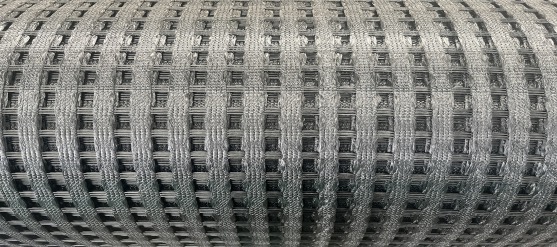
What are the cost benefits of using geogrids in highway projects?
Highway projects operate on long planning horizons, which is where geogrid economics really shine. The initial material investment gets paid back through reduced aggregate quantities and faster construction. But the bigger savings come from extended pavement life and reduced maintenance frequency. Fewer closures mean less traffic disruption and lower user delay costs. Transportation agencies increasingly look at lifecycle costs rather than just construction costs, and that analysis tends to favor geogrid reinforcement for appropriate applications.
Partner with Lianyi® for Your Next Project
Lianyi’s geosynthetic solutions bring proven performance to road and highway construction. Feicheng Lianyi Engineering Plastics Co.,Ltd. holds ISO 9001:2015 certification and manufactures geogrids engineered for the durability and efficiency that modern infrastructure demands. Contact us to discuss your project requirements and see how our geosynthetics can deliver the performance you need. Mobile: +86 19153868161 | Email: [email protected]
How do geogrids contribute to the overall resilience of road infrastructure?
Resilience comes from the reinforcement geogrids provide to base and subgrade layers. Better load distribution reduces the stress concentrations that cause localized failures. The reinforced structure resists rutting, cracking, and the progressive deterioration that eventually requires reconstruction. Roads built this way handle heavy traffic, weather extremes, and even seismic events with less damage. The result is a transportation network that stays functional longer and recovers faster from whatever stresses it encounters.
Can geogrids be used in all types of road construction, including unpaved roads?
Geogrids work across the full spectrum of road types. Paved roads benefit from base reinforcement that extends pavement life. Unpaved roads often see even more dramatic improvements because the geogrid provides soil stabilization that soft subgrades desperately need. Haul roads, access roads, and temporary construction surfaces all become more serviceable with geogrid reinforcement. The aggregate savings on unpaved roads can be substantial since these applications often require thick granular layers to achieve adequate bearing capacity without reinforcement.
What certifications and quality standards should be considered when selecting geogrid suppliers for highway projects?
Quality assurance matters for products that will be buried in your pavement structure for decades. ISO 9001:2015 certification indicates a manufacturer has systematic quality management in place. ISO 14001:2015 covers environmental management, and OHSAS 18001:2007 addresses workplace safety. Independent testing from organizations like BV, SGS, and TRI provides third-party verification that products meet their published specifications. For highway projects where failure has serious consequences, working with certified suppliers reduces risk.
The foundation of any civil engineering project comes down to material quality. Get that wrong, and everything else follows. Advanced geomembrane materials have become central to how we approach project efficiency and infrastructure durability. The right geosynthetic choice can make or break environmental protection outcomes and long-term performance. That reality drives continuous development in this space.
Geosynthetic Solutions Built for Infrastructure Demands
Feicheng Lianyi Engineering Plastics Co.,Ltd. develops geosynthetic solutions designed to handle what infrastructure actually faces. Material science work here focuses on products that perform under extreme conditions while delivering real protection. Advanced polymers combined with refined manufacturing processes push durability and performance further than previous generations of geomembranes and related geosynthetics. This approach supports sustainable, efficient projects across different regions and conditions.
The product range spans geogrids, geotextiles, and specialized membranes serving various civil engineering needs. Fiberglass Geogrids use fiberglass yarns to reinforce asphalt layers, addressing crack prevention and extending pavement service life. Basalt Geogrid Mesh provides a strong alternative to traditional metal reinforcement with high strength and corrosion resistance built in. These products reduce maintenance requirements and extend how long infrastructure actually lasts. Environmental protection stays central to the design process, with materials engineered to prevent contamination and maintain ecological balance during construction.
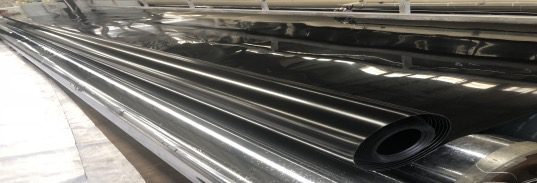
Flowchart: Lifecycle Benefits of Advanced Geomembranes
1. Material Selection: Utilizing advanced polymers for optimal performance.
2. Manufacturing: Precision engineering ensures consistent quality.
3. Installation: Ease of deployment reduces project timelines.
4. Performance: Superior barrier and reinforcement properties.
5. Longevity: Extended service life minimizes environmental impact.
6. Sustainability: Reduced need for raw materials over time.
Specialized Geomembrane Formulations for Specific Conditions
Getting the right performance means matching geomembrane formulations to actual application demands. Each product type addresses distinct environmental and operational challenges through precise technical specifications.
| Geomembrane Type | Raw Material | Key Properties | Typical Applications |
|---|---|---|---|
| HDPE Geomembrane | High-density polyethylene resin | Excellent chemical resistance, UV stability, high tensile strength | Landfills, mining, water containment |
| LLDPE Liner | Linear low-density polyethylene | High flexibility, puncture resistance, elongation | Reservoirs, decorative ponds, secondary containment |
| Textured Geomembrane | HDPE or LLDPE with textured surface | Increased friction angle for steep slopes | Landfill slopes, mining heap leach pads |
HDPE Geomembrane production uses 100% high-density polyethylene resin. The formulation includes carbon black, antioxidants, anti-aging agents, and UV-resistance components. This combination delivers strong resistance to environmental stress cracking, performs well in low temperatures, and handles corrosive conditions. These characteristics make it the go-to choice for containment applications where chemical inertness and long-term durability matter most.
What are the benefits of advanced geomembranes in challenging environments?
Advanced geomembranes from Feicheng Lianyi Engineering Plastics Co.,Ltd. address the specific demands of difficult operating conditions. The materials resist UV degradation from extended sun exposure. Chemical resistance handles industrial containment and waste management requirements. High puncture resistance and temperature stability across a wide range of conditions mean reliable performance whether the site runs hot or cold. These properties support both efficiency and safety in harsh settings.
Strategic Applications Across Sectors
Advanced geomembrane materials serve diverse sectors where project efficiency and cost control matter. The solutions address critical civil engineering applications across demanding environments.
| Application Area | Suitable Geomembrane Type | Key Benefit |
|---|---|---|
| Waste Management Liners | HDPE Geomembrane | Prevents leachate leakage, long-term containment |
| Mining Heap Leach Pads | Textured HDPE Geomembrane | Enhances stability on slopes, chemical resistance |
| Water Containment | LLDPE Liner | High flexibility, conforms to irregular surfaces |
| Reservoir Lining | HDPE/LLDPE Geomembrane | Reduces water loss, protects water quality |
| Environmental Containment | Various, depending on contaminants | Isolates hazardous materials, prevents soil/groundwater pollution |
Waste management applications use geomembranes as impermeable barriers in landfills, containing hazardous waste and protecting groundwater. Mining operations rely on specialized textured geomembranes for heap leach pads, providing containment for chemical solutions while resisting aggressive mining chemicals. Water containment projects like reservoirs and canals use geomembranes to minimize seepage, preserving water resources and cutting operational costs. Each application demonstrates how these products serve both environmental protection and economic goals.
How do specialized geomembranes contribute to project longevity and cost-effectiveness?
Specialized geomembranes deliver project longevity and cost benefits through robust, lasting barrier performance. Superior impermeability reduces leakage, protecting surrounding environments and minimizing material loss. Extended service life means fewer replacements and less maintenance, which adds up to real long-term savings. Preventing premature failure and reducing operational costs keeps projects efficient and viable over decades.
《The Difference Of Geomembrane And Composite Geomembrane》
Quality Assurance and Certification Standards
Feicheng Lianyi Engineering Plastics Co.,Ltd. runs a stringent quality management system backing every geosynthetic product. Comprehensive certifications demonstrate commitment to global quality and reliability standards. Every product meets rigorous specifications aligned with international performance requirements.
The company holds ISO 9001:2015, ISO 14001:2015, and OHSAS 18001:2007 certificates. These cover quality management, environmental responsibility, and occupational health and safety. Products also carry certification from independent bodies including BV, SGS, and TRI. Third-party validation provides objective confirmation of product reliability and performance.
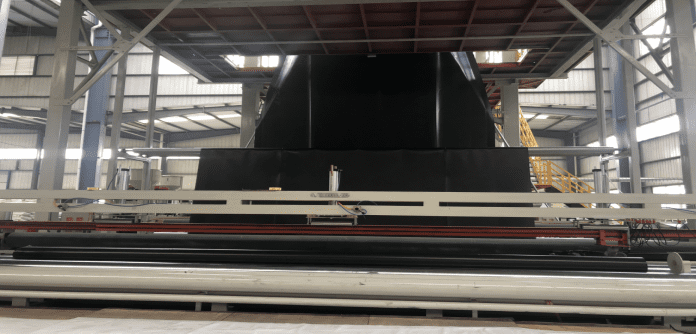
| Certification Body | Standard/Scope | Significance |
|---|---|---|
| ISO 9001:2015 | Quality Management System | Consistent product quality and customer satisfaction |
| ISO 14001:2015 | Environmental Management System | Sustainable practices and environmental protection |
| OHSAS 18001:2007 | Occupational Health and Safety | Safe working conditions for employees |
| BV (Bureau Veritas) | Product Conformity | Independent verification of product specifications |
| SGS (Société Générale de Surveillance) | Quality and Integrity | Global benchmark for quality and integrity |
| TRI (TRI Environmental) | Geosynthetic Testing | Specialized performance testing for geosynthetics |
These certifications reflect operational standards and a commitment to delivering geosynthetic solutions that perform as specified, even under demanding conditions. Continuous investment in quality control processes ensures consistent material quality across every production batch.
Partnership Approach to Geosynthetic Solutions
The company operates as a strategic partner, bringing comprehensive geosynthetic solutions and expertise to complex engineering challenges. A collaborative approach means clients receive solutions tailored to specific project requirements. Long-term relationships built on trust and results drive the business model.
Technical support extends from initial project consultation through installation guidance. Close work with engineers and contractors ensures effective integration of geosynthetics into project designs. This partnership model helps advanced geomembrane materials contribute to sustainable engineering practices and strong project outcomes. Ongoing exploration of new materials and technologies keeps the product line advancing.
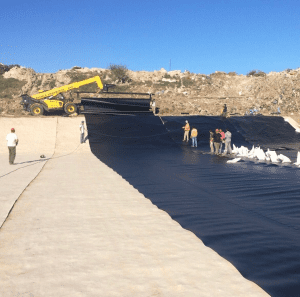
Start Your Next Infrastructure Project Right
Put Feicheng Lianyi Engineering Plastics Co.,Ltd.’s advanced geomembrane materials to work on your next infrastructure project. Reach the team at [email protected] or +86 19153868161 for geosynthetic solutions matched to your performance, longevity, and efficiency requirements.
Which geomembrane material is best suited for specific industrial containment needs?
The right geomembrane depends on the specific containment application, factoring in chemical resistance, temperature conditions, and mechanical stress. HDPE geomembrane works well for chemical containment given its strong resistance profile, while LLDPE handles irregular terrain better due to superior flexibility. Feicheng Lianyi Engineering Plastics Co.,Ltd. provides consultation to match the right advanced geomembrane material to your project’s specific requirements for efficient, secure containment.
How do Feicheng Lianyi’s advanced geomembranes ensure long-term environmental protection?
Feicheng Lianyi’s advanced geomembranes combine superior barrier properties with exceptional durability for lasting environmental protection. The materials prevent contaminant leakage into soil and groundwater, which matters for waste management, mining, and water containment work. Rigorous quality control and adherence to international standards like ISO 14001:2015 ensure geosynthetic solutions maintain integrity over decades, supporting sustainable project outcomes.
What are the key advantages of using Lianyi’s geosynthetic solutions over traditional lining methods?
Lianyi’s geosynthetic solutions outperform traditional lining methods in installation efficiency, material performance, and cost control. Advanced geomembrane materials deliver superior impermeability, chemical resistance, and UV stability, extending project life and reducing maintenance. Straightforward deployment and solid engineering contribute to faster project completion and better overall efficiency compared to conventional liner approaches.
Successfully installing geomembranes presents numerous challenges, from unpredictable site conditions to intricate welding requirements. We recognize that each project demands meticulous planning and execution to ensure long-term integrity and performance. Our experience shows that addressing these complexities proactively, with robust materials and proven techniques, is crucial. This article outlines expert solutions to common installation hurdles, drawing on our extensive knowledge in geosynthetics.
Mastering Site Preparation and Subgrade Foundations
Proper site preparation and a stable subgrade foundation are paramount for geomembrane performance. Inadequate subgrade preparation geomembrane can lead to punctures, differential settlement, and premature system failure. We emphasize thorough site readiness for liners, ensuring the foundation is firm, smooth, and free of debris. This involves meticulous clearing, grading, and compaction to achieve the specified bearing capacity. Soil stabilization techniques, such as using appropriate geosynthetics, further enhance subgrade integrity, preventing potential geomembrane foundation defects. Lianyi’s expertise in providing stable geosynthetic foundations minimizes risks and extends the lifespan of containment systems.
Preventing Geomembrane Wrinkles and Folds
Preventing geomembrane wrinkle prevention is crucial for maintaining liner integrity. Wrinkles and liner folding issues can concentrate stress, making the geomembrane vulnerable to cracks and punctures. We manage this by carefully unrolling the material, allowing it to relax and acclimate to ambient temperatures before seaming. Proper tensioning techniques during deployment also minimize thermal expansion geomembrane effects, which can cause significant wrinkling. Our high-quality, flexible geomembranes are designed to facilitate easier handling and reduce the likelihood of these defects.
Effective Subgrade Protection Strategies
Effective subgrade protection strategies are essential to safeguard the geomembrane from underlying hazards. Sharp objects or uneven surfaces can cause geomembrane puncture protection. We mitigate this by deploying protective layers, such as geotextiles, directly beneath the geomembrane. These geotextile protective layer materials act as a cushion, distributing loads and preventing damage from subgrade aggregate impact. Lianyi offers integrated geosynthetic solutions that combine various layers for optimal protection and system durability.
Precision Welding and Seaming Techniques
The integrity of a geomembrane system heavily relies on precision welding geomembrane seams. Faulty seams are a primary cause of leakage and system failure. We utilize advanced welding technologies to create robust, leak-proof seals. This includes geomembrane fusion welding for high-density polyethylene (HDPE) and extrusion welding techniques for complex geometries and repairs. Our manufacturing processes ensure that Lianyi’s geomembranes are compatible with these high-performance welding methods, guaranteeing maximum seam strength. Consistent seam integrity testing is integral to our quality assurance.
| Welding Method | Primary Application | Advantages | Disadvantages |
|---|---|---|---|
| Hot Wedge | Long, straight seams | Fast, strong, dual-track for testing | Less flexible for complex shapes |
| Extrusion | Patches, repairs, irregular shapes | Versatile, excellent for detailed work | Slower, requires skilled operators |
Best Practices for Geomembrane Seam Testing
Adhering to best practices for geomembrane seam testing is non-negotiable for ensuring project success. We employ a combination of non-destructive and destructive testing methods to verify geomembrane seam quality control. Non-destructive tests include air pressure testing for dual-track welds, vacuum box testing for smaller areas, and spark testing for conductive liners. Destructive seam testing standards involve taking samples for laboratory analysis, such as peel and shear tests, to confirm bond strength and material compatibility. Lianyi’s commitment to quality is reinforced by our ISO, BV, SGS, and TRI certifications, ensuring all products meet rigorous testing protocols.
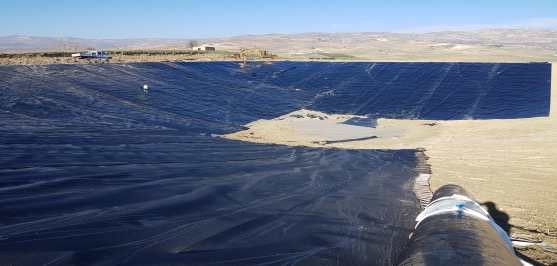
Overcoming Environmental and Weather Obstacles
Environmental and weather obstacles significantly impact geomembrane installation schedules and material integrity. Wind, rain, and extreme temperatures pose substantial challenges. We implement strategic measures to mitigate these factors, ensuring continuous progress and material protection. Our durable geomembrane materials are specifically designed for diverse climates, offering superior resistance to UV degradation geomembrane and thermal stress.
Managing Geomembrane Material Handling and Storage
Proper geomembrane storage best practices are critical to prevent damage before and during installation. We provide clear guidelines for storing geomembrane rolls to protect them from UV radiation, punctures, and extreme temperature fluctuations. Rolls should be stored on a flat, clean surface, elevated if possible, and covered with opaque tarpaulins. Safe unrolling geomembrane safely procedures are also essential to avoid tears or abrasions. Lianyi’s packaging and logistics support ensure products arrive in optimal condition, ready for deployment.
Anchoring and Termination System Excellence
Effective anchoring and termination system excellence are crucial for the long-term stability and performance of geomembrane installations. These systems prevent uplift, movement, and ensure a secure seal at the edges of the containment area. We utilize various anchoring techniques, tailored to specific site conditions and project requirements.
Common Geomembrane Installation Mistakes Avoided
Identifying and preventing common geomembrane installation errors is vital for project success. We provide comprehensive technical support and installation guidance to help clients avoid typical pitfalls. These include inadequate subgrade preparation, improper material handling leading to punctures, insufficient seam overlap, and incorrect welding parameters. Neglecting proper anchoring systems can also lead to liner defects and costly failures. By focusing on meticulous planning and execution, we help prevent these common geomembrane failures.
Quality Assurance and Post Installation Care
Quality assurance and post installation care are integral to maximizing the lifespan and effectiveness of geomembrane systems. Our comprehensive geomembrane quality control protocols extend beyond installation, encompassing ongoing monitoring and maintenance strategies. Regular inspections help identify potential issues early, allowing for timely geomembrane repair techniques. This proactive approach ensures the liner system monitoring remains effective and compliant throughout its service life. Lianyi’s certified products and dedication to superior performance provide clients with reliable, long-lasting solutions.
If you’re interested, check 《The Difference Of Geomembrane And Composite Geomembrane》.
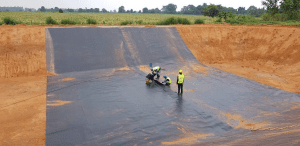
Partner with Lianyi® for Unrivaled Geosynthetic Solutions
For over two decades, Feicheng Lianyi Engineering Plastics Co.,Ltd has been at the forefront of geosynthetics innovation, delivering world-class geomembranes and comprehensive solutions. Our ISO-certified products, backed by unparalleled expertise and dedicated customer service, ensure your projects overcome every installation challenge with confidence. Experience the Lianyi® difference in quality, reliability, and technical support. Contact us today to discuss your specific project needs and discover how our advanced geosynthetics can provide a robust, long-lasting solution. Email: [email protected] | Mobile: +86 19153868161
Frequently Asked Questions About Geomembrane Installation
What are common geomembrane installation mistakes?
Common mistakes include inadequate subgrade preparation, improper material handling leading to punctures, insufficient seam overlap, incorrect welding parameters, and neglecting proper anchoring. These can lead to leaks, system failure, and costly repairs. Lianyi’s guidelines emphasize meticulous planning and execution to prevent such errors, ensuring the integrity of the HDPE Geomembrane and other liners.
How can geomembrane wrinkles be prevented during installation?
Preventing wrinkles involves careful unrolling, allowing the material to relax and acclimate to ambient temperatures before seaming, and employing proper tensioning techniques. Avoiding installation during extreme temperature fluctuations also minimizes thermal expansion/contraction issues. Lianyi’s flexible geomembranes are designed for easier handling, reducing the potential for wrinkle formation in Composite Geomembrane applications.
What are the best practices for geomembrane seam testing?
Best practices include both non-destructive (e.g., air pressure testing for dual-track welds, vacuum box testing, spark testing) and destructive testing (peel and shear tests on samples). Regular testing ensures seam integrity and compliance with project specifications. Lianyi’s quality control standards align with international testing protocols, verifying the strength of PP Woven Geotextile and other geosynthetic seams.
Which geomembrane material is best for my project?
The best geomembrane material depends on factors like chemical resistance, UV exposure, temperature range, and mechanical stress. HDPE is common for landfills, LLDPE for flexibility, and PVC for specific chemical containment. Lianyi offers a diverse range of high-quality geomembranes to suit various applications, with expert guidance on selection, including options like PP Spunbond Non-Woven Fabric for protection.
How does Lianyi® support complex geomembrane installations?
Lianyi® provides comprehensive support, including high-quality, certified geomembrane products, detailed technical specifications, installation guidelines, and expert consultation. Our commitment to innovation and customer service ensures our clients have the best materials and knowledge to tackle any installation challenge, backed by ISO 9001:2015 certification. We offer solutions for every phase, from initial planning to post-installation care.