Call us today!

Underground infrastructure projects, such as tunnels and subways, face unique challenges. We recognize the critical need for advanced geomembrane solutions to ensure long-term protection and durability. These environments demand robust materials and precise engineering to withstand constant geological and environmental stresses. Our focus remains on integrating geomembranes as a vital component for successful, sustainable infrastructure.
Understanding Underground Project Waterproofing Challenges
Underground construction projects, including tunnels and subways, encounter significant waterproofing challenges. These structures are constantly exposed to water ingress, aggressive ground conditions, and varying geological stresses. Water intrusion can lead to structural degradation, operational disruptions, and costly repairs. We observe that factors such as hydrostatic pressure, seismic activity, and ground movement contribute to complex engineering requirements. Effective tunnel waterproofing membranes are essential to mitigate these risks. Chemical resistance liners are also crucial in areas where corrosive substances are present in the soil or groundwater.
Geological stress factors, including differential settlement and rock movements, can compromise conventional waterproofing systems. Subway construction risks are further compounded by dynamic loads from train operations and urban vibrations. Preventing water ingress requires comprehensive strategies that account for these multifaceted environmental pressures. Our experience shows that a thorough underground waterproofing risk assessment process is fundamental to designing resilient solutions.
Advanced Geomembrane Systems for Tunnel Construction
We employ advanced geomembrane systems to address the specific demands of tunnel construction. These systems offer superior barrier performance and long-term durability. High density polyethylene geomembrane (HDPE Geomembrane is a primary material choice due to its exceptional impermeability and chemical resistance. These geomembranes integrate seamlessly into tunnel lining systems, providing a continuous waterproof layer.
Geomembrane installation methods are critical for system integrity. We utilize specialized techniques, including welding and mechanical fastening, to ensure secure and leak-free seams. Composite geomembranes, which combine a geomembrane with a geotextile, offer enhanced protection against puncture and abrasion. These composite materials improve the overall liner integrity solutions for tunnels.
| Geomembrane Type | Key Characteristics | Typical Applications in Tunnels |
|---|---|---|
| HDPE Geomembrane | High impermeability, chemical resistance, UV stability | Waterproofing, gas barriers |
| PVC Geomembrane | Flexibility, ease of welding, good elongation | Complex geometries, secondary lining |
| LLDPE Geomembrane | High flexibility, puncture resistance | Areas with potential differential settlement |
| Composite Geomembrane | Enhanced puncture resistance, drainage | Primary and secondary waterproofing |
Critical Considerations for Selecting Geomembranes in Tunnel Construction
Selecting geomembranes for tunnel construction requires careful evaluation of several factors. We prioritize material type, thickness, and mechanical properties. Puncture resistance geomembrane is vital to withstand potential damage during installation and from rock protrusions. Chemical compatibility with ground conditions and groundwater composition is also essential. We consider the geomembrane’s flexibility to conform to irregular tunnel geometries and accommodate ground movements. Tunnel design specifications dictate the required tensile strength and elongation properties. Our team assesses the project’s expected lifespan to ensure the chosen geomembrane provides long-term waterproofing integrity.
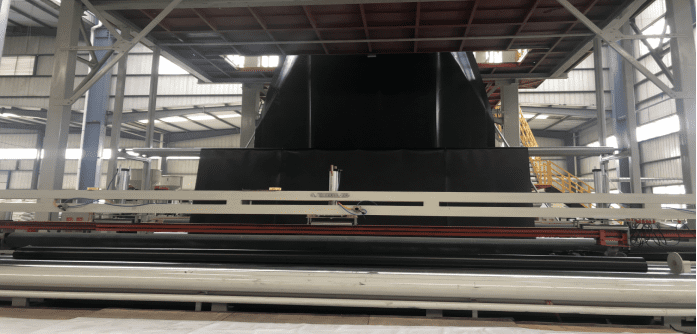
Geomembrane Applications in Subway Infrastructure
Geomembranes play a crucial role in protecting subway infrastructure from water and environmental degradation. Subway waterproofing solutions must contend with unique challenges, such as constant vibration, ground movement, and confined spaces. We apply geomembranes to create robust barriers against groundwater infiltration, ensuring the longevity of underground railway protection systems. These specialized liners are engineered to maintain integrity under dynamic loads and seismic activity.
Utilizing geomembrane for urban infrastructure, particularly in subway systems, offers significant advantages over traditional waterproofing methods. Their flexibility and durability make them ideal for mitigating the effects of ground settlement and seismic events. Vibration resistant liners are designed to withstand continuous stress from train operations, preventing fatigue and maintaining their barrier function. Our solutions contribute to the long-term operational reliability and safety of subway networks.
Preventing Water Ingress and Chemical Attacks in Subway Environments
Geomembranes form an impermeable subway water barrier, effectively preventing water ingress from groundwater and surface runoff. Their robust chemical resistant geomembrane properties protect concrete and steel structures from corrosive agents. These agents can include salts, acids, and other pollutants commonly found in urban soils and groundwater. This dual protection is vital for maintaining the structural integrity and operational safety of subway systems. Our geomembranes are engineered to provide superior barrier performance against both water and aggressive chemicals, ensuring corrosion protection liners for decades.
If you’re interested, check 《The Difference Of Geomembrane And Composite Geomembrane》.
Ensuring Long Term Performance and Durability
Ensuring the long-term performance and durability of geomembrane systems is paramount for underground infrastructure. We implement rigorous quality assurance geomembrane protocols throughout the manufacturing and installation processes. This includes comprehensive geomembrane durability testing to assess resistance to environmental stressors. Factors such as UV exposure, temperature fluctuations, and chemical degradation are carefully evaluated.
Our installation best practices are designed to maximize barrier system integrity. We emphasize proper surface preparation, precise welding techniques, and thorough post-installation inspections. Long term geosynthetic performance relies heavily on these meticulous steps. Regular monitoring and maintenance programs further contribute to the extended service life of geomembrane solutions. We adhere to international standards and certifications, ensuring our products meet the highest quality benchmarks.
Long Term Performance Benefits of Advanced Geomembrane Systems
Advanced geomembrane systems offer significant long-term performance benefits for underground projects. These include enhanced structural protection, reduced maintenance costs, and extended service life. Their durability and resistance to environmental degradation minimize the need for costly repairs. This ensures continuous operational reliability for critical infrastructure. Investing in high-quality geomembrane solutions provides a sustainable and cost-effective approach to safeguarding assets. This approach also contributes to a lower geomembrane lifecycle cost.
Why Choose Lianyi for Your Geomembrane Solutions
Lianyi® is a world-class leading manufacturer and supplier of geosynthetics. We specialize in developing innovative geosynthetic products and providing one-stop geosynthetics solutions to our global customers. Our commitment to quality is evidenced by our ISO 9001:2015, ISO 14001:2015, and OHSAS 18001:2007 certifications. We also hold BV, SGS, and TRI certifications.
We offer a comprehensive range of products, including HDPE Geomembrane, geogrids, geotextiles, and geocomposites. Our expertise in geomembrane applications for tunnels and subways is extensive. We provide superior products backed by unparalleled expertise and customer service. Our team works closely with clients to deliver tailored solutions that meet specific project requirements and ensure long-term success.
| Product Category | Key Features | Certifications |
|---|---|---|
| HDPE Geomembrane | High impermeability, chemical resistance | ISO9001, CE, SGI, TRI, SGS |
| Geogrids | Reinforcement, stabilization | ISO9001, CE, SGI, TRI, SGS |
| Geotextiles | Separation, filtration, protection | ISO9001, CE, SGI, TRI, SGS |
| Geocomposites | Drainage, reinforcement | ISO9001, CE, SGI, TRI, SGS |
Partner with Lianyi for Your Infrastructure Protection Needs
We invite you to partner with Lianyi for your next tunnel or subway infrastructure project. Our team of experts is ready to provide consultation and tailor geomembrane solutions to your specific needs. Contact us today to discuss your requirements or request a quote. Reach us via email at [email protected] or call us at +86 19153868161.

Frequently Asked Questions About Geomembrane Solutions
What are the critical considerations for selecting geomembranes in tunnel construction?
Selecting geomembranes for tunnel construction requires careful evaluation of factors such as material type (e.g., HDPE Geomembrane, thickness, puncture resistance, chemical compatibility with ground conditions, and installation flexibility. Consideration of the tunnel’s expected lifespan and potential ground movements is also crucial to ensure long-term waterproofing integrity. Lianyi offers a range of specialized geomembrane solutions tailored to diverse tunnel project requirements.
How do geomembranes prevent water ingress and chemical attacks in subway environments?
Geomembranes form an impermeable barrier within subway structures, effectively preventing water ingress from groundwater or precipitation. Their robust chemical resistance properties protect the concrete and steel components from corrosive agents present in soil or urban runoff. This dual protection is vital for maintaining the structural integrity and operational safety of subway systems over decades. Lianyi’s geomembranes are engineered for superior barrier performance against both water and aggressive chemicals.
What are the long term performance benefits of using advanced geomembrane systems for underground projects?
Advanced geomembrane systems offer significant long-term performance benefits for underground projects, including enhanced structural protection, reduced maintenance costs, and extended service life. Their durability and resistance to environmental degradation minimize the need for costly repairs and ensure continuous operational reliability. Investing in high-quality geomembrane solutions from Lianyi provides a sustainable and cost-effective approach to safeguarding critical infrastructure.