Call us today!

Successfully installing geomembranes presents numerous challenges, from unpredictable site conditions to intricate welding requirements. We recognize that each project demands meticulous planning and execution to ensure long-term integrity and performance. Our experience shows that addressing these complexities proactively, with robust materials and proven techniques, is crucial. This article outlines expert solutions to common installation hurdles, drawing on our extensive knowledge in geosynthetics.
Mastering Site Preparation and Subgrade Foundations
Proper site preparation and a stable subgrade foundation are paramount for geomembrane performance. Inadequate subgrade preparation geomembrane can lead to punctures, differential settlement, and premature system failure. We emphasize thorough site readiness for liners, ensuring the foundation is firm, smooth, and free of debris. This involves meticulous clearing, grading, and compaction to achieve the specified bearing capacity. Soil stabilization techniques, such as using appropriate geosynthetics, further enhance subgrade integrity, preventing potential geomembrane foundation defects. Lianyi’s expertise in providing stable geosynthetic foundations minimizes risks and extends the lifespan of containment systems.
Preventing Geomembrane Wrinkles and Folds
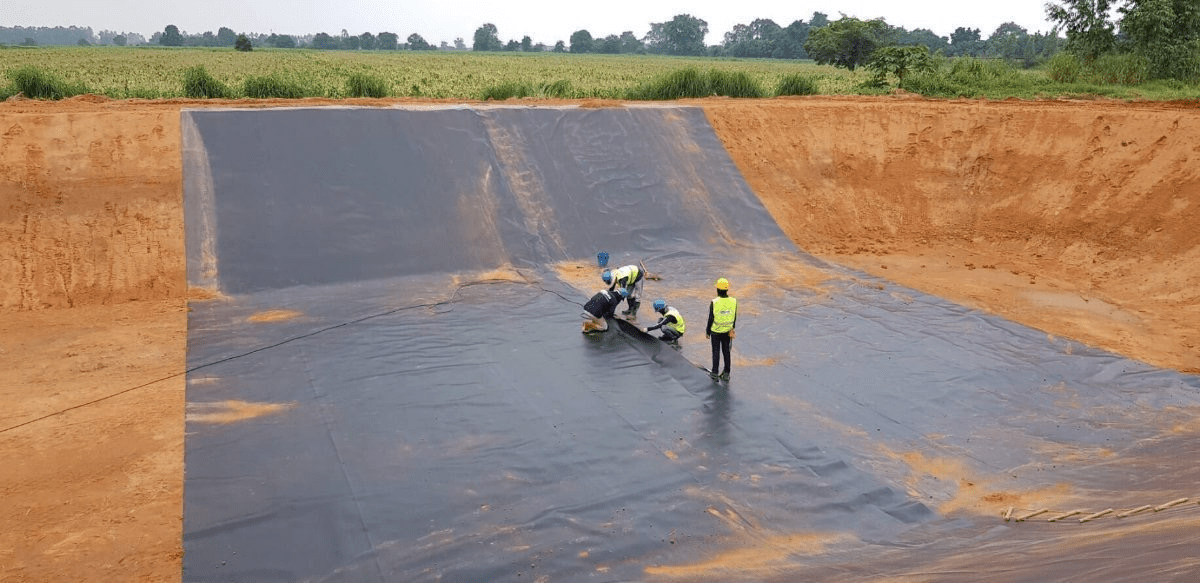
Preventing geomembrane wrinkle prevention is crucial for maintaining liner integrity. Wrinkles and liner folding issues can concentrate stress, making the geomembrane vulnerable to cracks and punctures. We manage this by carefully unrolling the material, allowing it to relax and acclimate to ambient temperatures before seaming. Proper tensioning techniques during deployment also minimize thermal expansion geomembrane effects, which can cause significant wrinkling. Our high-quality, flexible geomembranes are designed to facilitate easier handling and reduce the likelihood of these defects.
Effective Subgrade Protection Strategies
Effective subgrade protection strategies are essential to safeguard the geomembrane from underlying hazards. Sharp objects or uneven surfaces can cause geomembrane puncture protection. We mitigate this by deploying protective layers, such as geotextiles, directly beneath the geomembrane. These geotextile protective layer materials act as a cushion, distributing loads and preventing damage from subgrade aggregate impact. Lianyi offers integrated geosynthetic solutions that combine various layers for optimal protection and system durability.
Precision Welding and Seaming Techniques
The integrity of a geomembrane system heavily relies on precision welding geomembrane seams. Faulty seams are a primary cause of leakage and system failure. We utilize advanced welding technologies to create robust, leak-proof seals. This includes geomembrane fusion welding for high-density polyethylene (HDPE) and extrusion welding techniques for complex geometries and repairs. Our manufacturing processes ensure that Lianyi’s geomembranes are compatible with these high-performance welding methods, guaranteeing maximum seam strength. Consistent seam integrity testing is integral to our quality assurance.
| Welding Method | Primary Application | Advantages | Disadvantages |
|---|---|---|---|
| Hot Wedge | Long, straight seams | Fast, strong, dual-track for testing | Less flexible for complex shapes |
| Extrusion | Patches, repairs, irregular shapes | Versatile, excellent for detailed work | Slower, requires skilled operators |
Best Practices for Geomembrane Seam Testing
Adhering to best practices for geomembrane seam testing is non-negotiable for ensuring project success. We employ a combination of non-destructive and destructive testing methods to verify geomembrane seam quality control. Non-destructive tests include air pressure testing for dual-track welds, vacuum box testing for smaller areas, and spark testing for conductive liners. Destructive seam testing standards involve taking samples for laboratory analysis, such as peel and shear tests, to confirm bond strength and material compatibility. Lianyi’s commitment to quality is reinforced by our ISO, BV, SGS, and TRI certifications, ensuring all products meet rigorous testing protocols.
Overcoming Environmental and Weather Obstacles
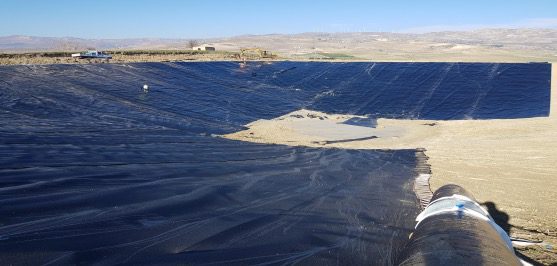
Environmental and weather obstacles significantly impact geomembrane installation schedules and material integrity. Wind, rain, and extreme temperatures pose substantial challenges. We implement strategic measures to mitigate these factors, ensuring continuous progress and material protection. Our durable geomembrane materials are specifically designed for diverse climates, offering superior resistance to UV degradation geomembrane and thermal stress.
Managing Geomembrane Material Handling and Storage
Proper geomembrane storage best practices are critical to prevent damage before and during installation. We provide clear guidelines for storing geomembrane rolls to protect them from UV radiation, punctures, and extreme temperature fluctuations. Rolls should be stored on a flat, clean surface, elevated if possible, and covered with opaque tarpaulins. Safe unrolling geomembrane safely procedures are also essential to avoid tears or abrasions. Lianyi’s packaging and logistics support ensure products arrive in optimal condition, ready for deployment.
Anchoring and Termination System Excellence
Effective anchoring and termination system excellence are crucial for the long-term stability and performance of geomembrane installations. These systems prevent uplift, movement, and ensure a secure seal at the edges of the containment area. We utilize various anchoring techniques, tailored to specific site conditions and project requirements.
Common Geomembrane Installation Mistakes Avoided
Identifying and preventing common geomembrane installation errors is vital for project success. We provide comprehensive technical support and installation guidance to help clients avoid typical pitfalls. These include inadequate subgrade preparation, improper material handling leading to punctures, insufficient seam overlap, and incorrect welding parameters. Neglecting proper anchoring systems can also lead to liner defects and costly failures. By focusing on meticulous planning and execution, we help prevent these common geomembrane failures.
Quality Assurance and Post Installation Care
Quality assurance and post installation care are integral to maximizing the lifespan and effectiveness of geomembrane systems. Our comprehensive geomembrane quality control protocols extend beyond installation, encompassing ongoing monitoring and maintenance strategies. Regular inspections help identify potential issues early, allowing for timely geomembrane repair techniques. This proactive approach ensures the liner system monitoring remains effective and compliant throughout its service life. Lianyi’s certified products and dedication to superior performance provide clients with reliable, long-lasting solutions.
If you’re interested, check 《The Difference Of Geomembrane And Composite Geomembrane》.
Partner with Lianyi® for Unrivaled Geosynthetic Solutions
For over two decades, Feicheng Lianyi Engineering Plastics Co.,Ltd has been at the forefront of geosynthetics innovation, delivering world-class geomembranes and comprehensive solutions. Our ISO-certified products, backed by unparalleled expertise and dedicated customer service, ensure your projects overcome every installation challenge with confidence. Experience the Lianyi® difference in quality, reliability, and technical support. Contact us today to discuss your specific project needs and discover how our advanced geosynthetics can provide a robust, long-lasting solution. Email: [email protected] | Mobile: +86 19153868161
Frequently Asked Questions About Geomembrane Installation
What are common geomembrane installation mistakes?
Common mistakes include inadequate subgrade preparation, improper material handling leading to punctures, insufficient seam overlap, incorrect welding parameters, and neglecting proper anchoring. These can lead to leaks, system failure, and costly repairs. Lianyi’s guidelines emphasize meticulous planning and execution to prevent such errors, ensuring the integrity of the HDPE Geomembrane and other liners.
How can geomembrane wrinkles be prevented during installation?
Preventing wrinkles involves careful unrolling, allowing the material to relax and acclimate to ambient temperatures before seaming, and employing proper tensioning techniques. Avoiding installation during extreme temperature fluctuations also minimizes thermal expansion/contraction issues. Lianyi’s flexible geomembranes are designed for easier handling, reducing the potential for wrinkle formation in Composite Geomembrane applications.
What are the best practices for geomembrane seam testing?
Best practices include both non-destructive (e.g., air pressure testing for dual-track welds, vacuum box testing, spark testing) and destructive testing (peel and shear tests on samples). Regular testing ensures seam integrity and compliance with project specifications. Lianyi’s quality control standards align with international testing protocols, verifying the strength of PP Woven Geotextile and other geosynthetic seams.
Which geomembrane material is best for my project?
The best geomembrane material depends on factors like chemical resistance, UV exposure, temperature range, and mechanical stress. HDPE is common for landfills, LLDPE for flexibility, and PVC for specific chemical containment. Lianyi offers a diverse range of high-quality geomembranes to suit various applications, with expert guidance on selection, including options like PP Spunbond Non-Woven Fabric for protection.
How does Lianyi® support complex geomembrane installations?
Lianyi® provides comprehensive support, including high-quality, certified geomembrane products, detailed technical specifications, installation guidelines, and expert consultation. Our commitment to innovation and customer service ensures our clients have the best materials and knowledge to tackle any installation challenge, backed by ISO 9001:2015 certification. We offer solutions for every phase, from initial planning to post-installation care.