Call us today!

The foundation of any civil engineering project comes down to material quality. Get that wrong, and everything else follows. Advanced geomembrane materials have become central to how we approach project efficiency and infrastructure durability. The right geosynthetic choice can make or break environmental protection outcomes and long-term performance. That reality drives continuous development in this space.
Geosynthetic Solutions Built for Infrastructure Demands
Feicheng Lianyi Engineering Plastics Co.,Ltd. develops geosynthetic solutions designed to handle what infrastructure actually faces. Material science work here focuses on products that perform under extreme conditions while delivering real protection. Advanced polymers combined with refined manufacturing processes push durability and performance further than previous generations of geomembranes and related geosynthetics. This approach supports sustainable, efficient projects across different regions and conditions.
The product range spans geogrids, geotextiles, and specialized membranes serving various civil engineering needs. Fiberglass Geogrids use fiberglass yarns to reinforce asphalt layers, addressing crack prevention and extending pavement service life. Basalt Geogrid Mesh provides a strong alternative to traditional metal reinforcement with high strength and corrosion resistance built in. These products reduce maintenance requirements and extend how long infrastructure actually lasts. Environmental protection stays central to the design process, with materials engineered to prevent contamination and maintain ecological balance during construction.
Flowchart: Lifecycle Benefits of Advanced Geomembranes
1. Material Selection: Utilizing advanced polymers for optimal performance.
2. Manufacturing: Precision engineering ensures consistent quality.
3. Installation: Ease of deployment reduces project timelines.
4. Performance: Superior barrier and reinforcement properties.
5. Longevity: Extended service life minimizes environmental impact.
6. Sustainability: Reduced need for raw materials over time.
Specialized Geomembrane Formulations for Specific Conditions
Getting the right performance means matching geomembrane formulations to actual application demands. Each product type addresses distinct environmental and operational challenges through precise technical specifications.
| Geomembrane Type | Raw Material | Key Properties | Typical Applications |
|---|---|---|---|
| HDPE Geomembrane | High-density polyethylene resin | Excellent chemical resistance, UV stability, high tensile strength | Landfills, mining, water containment |
| LLDPE Liner | Linear low-density polyethylene | High flexibility, puncture resistance, elongation | Reservoirs, decorative ponds, secondary containment |
| Textured Geomembrane | HDPE or LLDPE with textured surface | Increased friction angle for steep slopes | Landfill slopes, mining heap leach pads |
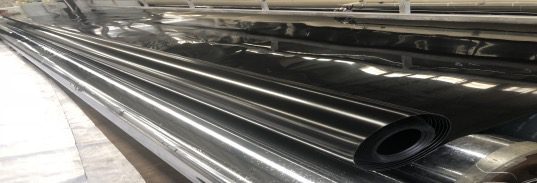
HDPE Geomembrane production uses 100% high-density polyethylene resin. The formulation includes carbon black, antioxidants, anti-aging agents, and UV-resistance components. This combination delivers strong resistance to environmental stress cracking, performs well in low temperatures, and handles corrosive conditions. These characteristics make it the go-to choice for containment applications where chemical inertness and long-term durability matter most.
What are the benefits of advanced geomembranes in challenging environments?
Advanced geomembranes from Feicheng Lianyi Engineering Plastics Co.,Ltd. address the specific demands of difficult operating conditions. The materials resist UV degradation from extended sun exposure. Chemical resistance handles industrial containment and waste management requirements. High puncture resistance and temperature stability across a wide range of conditions mean reliable performance whether the site runs hot or cold. These properties support both efficiency and safety in harsh settings.
Strategic Applications Across Sectors
Advanced geomembrane materials serve diverse sectors where project efficiency and cost control matter. The solutions address critical civil engineering applications across demanding environments.
| Application Area | Suitable Geomembrane Type | Key Benefit |
|---|---|---|
| Waste Management Liners | HDPE Geomembrane | Prevents leachate leakage, long-term containment |
| Mining Heap Leach Pads | Textured HDPE Geomembrane | Enhances stability on slopes, chemical resistance |
| Water Containment | LLDPE Liner | High flexibility, conforms to irregular surfaces |
| Reservoir Lining | HDPE/LLDPE Geomembrane | Reduces water loss, protects water quality |
| Environmental Containment | Various, depending on contaminants | Isolates hazardous materials, prevents soil/groundwater pollution |
Waste management applications use geomembranes as impermeable barriers in landfills, containing hazardous waste and protecting groundwater. Mining operations rely on specialized textured geomembranes for heap leach pads, providing containment for chemical solutions while resisting aggressive mining chemicals. Water containment projects like reservoirs and canals use geomembranes to minimize seepage, preserving water resources and cutting operational costs. Each application demonstrates how these products serve both environmental protection and economic goals.
How do specialized geomembranes contribute to project longevity and cost-effectiveness?
Specialized geomembranes deliver project longevity and cost benefits through robust, lasting barrier performance. Superior impermeability reduces leakage, protecting surrounding environments and minimizing material loss. Extended service life means fewer replacements and less maintenance, which adds up to real long-term savings. Preventing premature failure and reducing operational costs keeps projects efficient and viable over decades.
《The Difference Of Geomembrane And Composite Geomembrane》
Quality Assurance and Certification Standards
Feicheng Lianyi Engineering Plastics Co.,Ltd. runs a stringent quality management system backing every geosynthetic product. Comprehensive certifications demonstrate commitment to global quality and reliability standards. Every product meets rigorous specifications aligned with international performance requirements.
The company holds ISO 9001:2015, ISO 14001:2015, and OHSAS 18001:2007 certificates. These cover quality management, environmental responsibility, and occupational health and safety. Products also carry certification from independent bodies including BV, SGS, and TRI. Third-party validation provides objective confirmation of product reliability and performance.
| Certification Body | Standard/Scope | Significance |
|---|---|---|
| ISO 9001:2015 | Quality Management System | Consistent product quality and customer satisfaction |
| ISO 14001:2015 | Environmental Management System | Sustainable practices and environmental protection |
| OHSAS 18001:2007 | Occupational Health and Safety | Safe working conditions for employees |
| BV (Bureau Veritas) | Product Conformity | Independent verification of product specifications |
| SGS (Société Générale de Surveillance) | Quality and Integrity | Global benchmark for quality and integrity |
| TRI (TRI Environmental) | Geosynthetic Testing | Specialized performance testing for geosynthetics |
These certifications reflect operational standards and a commitment to delivering geosynthetic solutions that perform as specified, even under demanding conditions. Continuous investment in quality control processes ensures consistent material quality across every production batch.
Partnership Approach to Geosynthetic Solutions
The company operates as a strategic partner, bringing comprehensive geosynthetic solutions and expertise to complex engineering challenges. A collaborative approach means clients receive solutions tailored to specific project requirements. Long-term relationships built on trust and results drive the business model.
Technical support extends from initial project consultation through installation guidance. Close work with engineers and contractors ensures effective integration of geosynthetics into project designs. This partnership model helps advanced geomembrane materials contribute to sustainable engineering practices and strong project outcomes. Ongoing exploration of new materials and technologies keeps the product line advancing.

Start Your Next Infrastructure Project Right
Put Feicheng Lianyi Engineering Plastics Co.,Ltd.’s advanced geomembrane materials to work on your next infrastructure project. Reach the team at [email protected] or +86 19153868161 for geosynthetic solutions matched to your performance, longevity, and efficiency requirements.
Which geomembrane material is best suited for specific industrial containment needs?
The right geomembrane depends on the specific containment application, factoring in chemical resistance, temperature conditions, and mechanical stress. HDPE geomembrane works well for chemical containment given its strong resistance profile, while LLDPE handles irregular terrain better due to superior flexibility. Feicheng Lianyi Engineering Plastics Co.,Ltd. provides consultation to match the right advanced geomembrane material to your project’s specific requirements for efficient, secure containment.
How do Feicheng Lianyi’s advanced geomembranes ensure long-term environmental protection?
Feicheng Lianyi’s advanced geomembranes combine superior barrier properties with exceptional durability for lasting environmental protection. The materials prevent contaminant leakage into soil and groundwater, which matters for waste management, mining, and water containment work. Rigorous quality control and adherence to international standards like ISO 14001:2015 ensure geosynthetic solutions maintain integrity over decades, supporting sustainable project outcomes.
What are the key advantages of using Lianyi’s geosynthetic solutions over traditional lining methods?
Lianyi’s geosynthetic solutions outperform traditional lining methods in installation efficiency, material performance, and cost control. Advanced geomembrane materials deliver superior impermeability, chemical resistance, and UV stability, extending project life and reducing maintenance. Straightforward deployment and solid engineering contribute to faster project completion and better overall efficiency compared to conventional liner approaches.