Call us today!

Composite geomembranes solve problems that single-layer liners simply cannot address on their own. The multi-layered approach creates backup protection, better chemical resistance, and longer service life. These materials have proven themselves across landfills, mining operations, and water containment projects where failure carries serious consequences.
Why Multi-Layer Systems Outperform Single Barriers
Composite geomembranes create redundant protection that single-layer systems lack. The typical configuration pairs a HDPE Geomembrane with a geosynthetic clay liner, building in a safety margin that matters when containment is critical. If one layer develops a defect, the second layer maintains the seal.
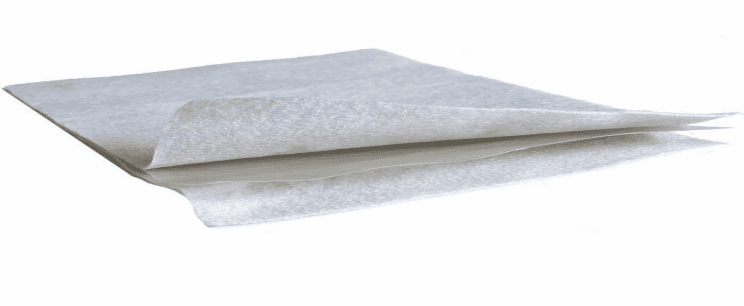
The combination of materials does more than add thickness. A geomembrane paired with geotextile delivers both impermeability and filtration. The geotextile prevents fine particles from migrating into drainage layers, which keeps the system functioning properly over time. Projects using these integrated systems consistently show fewer leak incidents and longer intervals between maintenance.
Built to Last Under Harsh Conditions
The physical demands on containment liners are substantial. Punctures from construction equipment, tears during installation, abrasion from settled materials—these stresses accumulate over decades of service. Composite geomembranes incorporate high-strength polymers and nonwoven geotextile layers specifically to absorb this punishment.
Chemical exposure presents an equally serious challenge. Landfill leachate, industrial process fluids, and acidic drainage attack liner materials continuously. The polymer formulations used in composite systems resist degradation from acids, alkalis, and organic compounds that would compromise simpler barriers. Products meeting ISO 9001 certification standards undergo testing that confirms this resistance holds up over extended exposure periods.
| Feature | Composite Geomembrane | Traditional Liner (e.g., single HDPE) |
|---|---|---|
| Puncture Resistance | Excellent | Good |
| Tear Resistance | Superior | Moderate |
| Chemical Resistance | High | Good |
| Redundancy | Yes (multi-layer) | No (single layer) |
| Lifespan | Very Long | Long |
Faster Installation, Fewer Problems
The integrated design of composite geomembranes reduces installation complexity. Instead of deploying multiple separate layers and hoping they perform together, crews work with a unified material system. Larger panel sizes cover ground faster, and the reduced number of field seams means fewer opportunities for installation defects.
Seams represent the weak points in any liner system. Every seam requires quality testing, and every test takes time. Composite systems with fewer seams move through quality assurance faster and reach completion sooner. The labor savings and compressed schedules translate directly into lower project costs.
If you are interested, check 《The Difference Of Geomembrane And Composite Geomembrane》.
Applications Where Performance Matters Most
The ability to combine different material properties makes composite geomembranes adaptable to demanding applications. Landfill liners need to contain leachate for decades while resisting settlement stresses. Mining operations require barriers that handle aggressive process solutions and survive in remote locations where repairs are difficult and expensive.
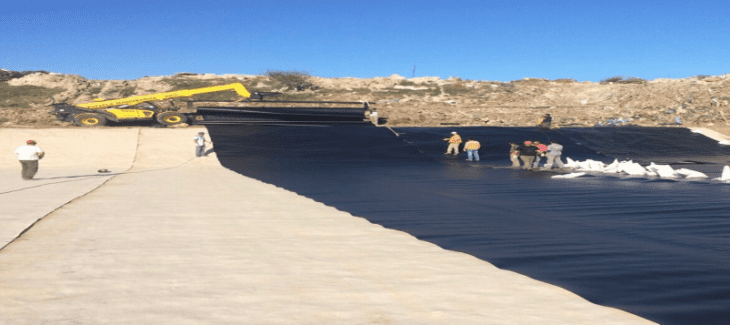
Water containment projects—reservoirs, canals, irrigation systems—depend on impermeability under hydrostatic pressure. Civil infrastructure applications like tunnel waterproofing and foundation protection require materials that perform reliably in confined spaces where access for repairs is limited. Composite Geomembrane systems address these varied requirements through material selection and layer configuration.
Meeting Environmental Standards
Regulatory requirements for containment have tightened considerably. The barrier properties of composite geomembranes provide the margin needed to satisfy permitting agencies and avoid future liability. Preventing contaminant migration into soil and groundwater protects both natural resources and project owners.
The long-term performance record of these systems reduces the risk of enforcement actions and cleanup obligations. Projects designed with adequate containment from the start avoid the costs and complications of remediation. This approach aligns engineering decisions with environmental responsibility.
The Real Cost Picture
Initial material costs for composite geomembranes run somewhat higher than single-layer alternatives. The full economic picture looks different when maintenance, repairs, and potential failures enter the calculation. Superior durability means fewer interventions over the project lifespan.
Lifecycle cost analysis consistently favors composite systems for applications where containment failure carries significant consequences. The reduced probability of leaks, extended service life, and lower maintenance burden offset the initial investment. Environmental fines and cleanup costs from failed containment can dwarf the price difference between liner options.
| Liner Type | Initial Cost | Maintenance Cost (20 years) | Remediation Risk | Total Lifecycle Cost (Relative) |
|---|---|---|---|---|
| Composite Geomembrane | Medium | Low | Very Low | Low |
| Single HDPE Geomembrane | Low | Medium | Medium | Medium |
| Compacted Clay Liner | Low | High | High | High |
How does composite geomembrane enhance project longevity?
Composite geomembranes enhance project longevity through their multi-layered design, which provides redundant barrier protection against punctures, tears, and chemical degradation. This superior structural integrity ensures long-term containment and stability, significantly extending the operational lifespan of engineering projects, particularly in critical applications like landfill liners and water containment solutions.
What are the specific environmental benefits of using composite geomembranes?
The specific environmental benefits of using composite geomembranes include superior protection against contaminant migration, safeguarding soil and groundwater resources. Their exceptional impermeability and durability prevent hazardous substances from leaching into the environment, ensuring regulatory compliance and promoting sustainable engineering practices for various containment solutions.
In what challenging environments do composite geomembranes perform best?
Composite geomembranes perform best in challenging environments characterized by aggressive chemical exposure, high mechanical stresses, or extreme temperatures. Their robust construction, often incorporating geosynthetic clay liners, provides excellent resistance to these conditions, making them ideal for mining heap leach pads, industrial waste containment, and critical infrastructure projects requiring high-performance liner systems.
Partner with Lianyi® for Advanced Geosynthetic Solutions
As a world-class leader in geosynthetics, Feicheng Lianyi Engineering Plastics Co.,Ltd. offers advanced composite geomembrane solutions engineered for superior performance and unmatched durability. Partner with Lianyi® to secure your next engineering project with materials backed by ISO certifications and unparalleled expertise. Contact us today at [email protected] or call +86 19153868161 for a comprehensive geosynthetics solution.