Call us today!

Getting materials right on environmental jobs makes or breaks the whole project. Geosynthetics have changed how we handle the tough stuff—erosion eating away at slopes, keeping contaminated water where it belongs, making sure drainage actually works years down the line. The products keep getting better, and when you match the right geotextile to the right problem, you end up with sites that hold together and don’t need constant fixing.
How Geotextiles Actually Protect the Environment
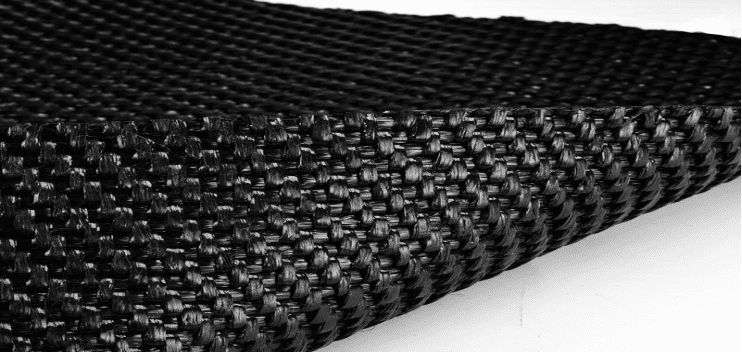
Geotextiles do the unglamorous work that keeps environmental projects from falling apart. They separate layers that shouldn’t mix, filter water without letting soil particles through, reinforce weak ground, protect liner systems from punctures, and move water where it needs to go. Coastal projects use them to hold shorelines in place when waves and tides want to pull everything apart. Reforestation sites depend on them to keep topsoil from washing downhill before roots can establish. The material sits there doing its job, often buried and forgotten, which is exactly what you want from infrastructure that needs to last decades.
Stopping Erosion and Holding Soil Together
Erosion doesn’t care about your project timeline or budget. It just keeps working, washing away slopes, undercutting riverbanks, and creating problems that cost far more to fix than to prevent. Engineered geotextiles create barriers that spread loads across larger areas and lock soil particles in place. HDPE Uniaxial Geogrid handles the heavy lifting on slope stabilization—the tensile strength holds up and the material doesn’t stretch out over time the way some alternatives do. For road construction and general civil work, Combigrid pulls double duty by combining a polypropylene geogrid with nonwoven geotextile, so you get reinforcement and separation from one product instead of installing two layers. That matters when you’re trying to keep earthworks intact through freeze-thaw cycles, heavy equipment traffic, and whatever else the site throws at you.
| Geotextile Type | Primary Function | Key Benefit | Typical Application |
|---|---|---|---|
| Woven Geotextiles | Reinforcement, Separation | High tensile strength | Road bases, Embankments |
| Non-Woven Geotextiles | Filtration, Drainage, Protection | Excellent permeability | Subsurface drainage, Landfill liners |
| Composite Geotextiles | Reinforcement, Separation, Filtration | Multi-functional performance | Erosion control mats, Retaining walls |
Making Drainage Systems Work Long-Term
Drainage fails when filters clog. Traditional granular filter layers work, but they require more excavation, more trucking, and more material handling. Geotextile filters let water through while keeping fine particles out, and they maintain consistent pore sizes that don’t shift around like aggregate can. Subsurface drainage installations go faster and cost less when you can skip the graded aggregate layers. The filtration stays stable over time because the pore structure is manufactured to specification rather than depending on how carefully someone placed the stone.
We understand the importance of robust drainage systems. If you’re interested, check 《The Difference Of Geomembrane And Composite Geomembrane》.
Keeping Waste Where It Belongs
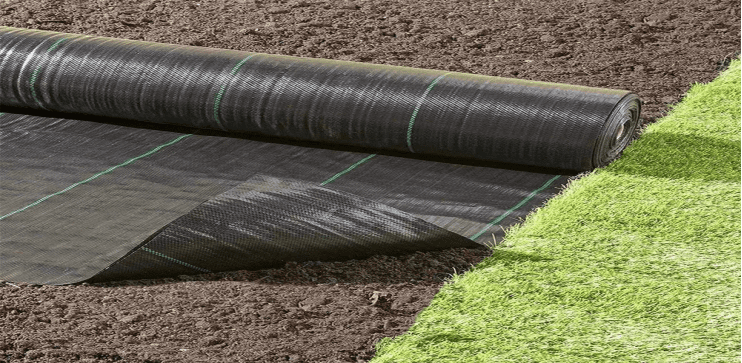
Landfill containment doesn’t allow for second chances. Once leachate gets into groundwater, you’ve got a problem that costs orders of magnitude more than doing it right the first time. Modern containment systems layer multiple materials—geomembranes for the impermeable barrier, geotextiles for protection and filtration, drainage layers to control liquid movement. HDPE Geomembrane provides the primary barrier against contaminant migration. The geotextiles above and below it prevent punctures from sharp objects during construction and from waste settling afterward. Meeting regulatory requirements means getting every layer right and documenting that you did.
The Lifecycle Argument for Better Materials
Manufacturing geotextiles takes energy and resources, but the math works out when you look at the full picture. A product that lasts thirty years without replacement beats one that needs attention every five. Asphalt Fiberglass Geogrid extends pavement service life, which means fewer reconstruction cycles, less equipment running, less material hauled to site. Production processes have gotten more efficient, and the durability of the installed product reduces the total environmental load over the project’s lifetime. That calculation matters more as clients and regulators pay closer attention to lifecycle impacts.
Matching Products to Problems
Picking the wrong geotextile wastes money and creates headaches. Soil conditions, water movement, mechanical loads, chemical exposure—all of it factors into the selection. A reinforcement application with high tensile demands might call for Polyester Biaxial Geogrid, while a drainage project needs specific filtration characteristics that a reinforcement product won’t provide. The analysis takes time upfront but prevents expensive corrections later when something doesn’t perform as expected.
Frequently Asked Questions About Innovative Geotextile Solutions
How do geotextiles enhance environmental project longevity?
Geotextiles extend project life by handling the functions that cause failures when they’re neglected—filtration that prevents clogging, separation that keeps layers distinct, reinforcement that distributes loads, protection that prevents damage to critical components. Products like PP Woven Geotextile provide reliable separation and filtration that holds up over time in conditions that would degrade less robust materials.
What are the latest advancements in geotextile technology for sustainable development?
The field has moved toward recycled content in manufacturing, biodegradable options for temporary applications, better UV resistance for exposed installations, and sensor integration for monitoring performance in real time. PP Geogrid Composite with Nonwoven Geotextile represents the kind of multi-function product that reduces installation complexity while improving overall system performance.
Which geotextile types are best suited for specific environmental challenges?
Woven products handle reinforcement and separation where loads are high. Non-woven materials work better for filtration and drainage applications. Composites combine properties when a single-function product won’t address the full range of site conditions. PET Geogrid fits applications demanding high-strength reinforcement. Getting the selection right usually means talking through the specific site conditions with someone who knows the product range.
Partner with Lianyi® for World-Class Geotextile Solutions
Elevate your environmental projects with Lianyi’s® unparalleled expertise in innovative geosynthetic materials. As a world-class leading manufacturer and supplier, we provide ISO 9001:2015 certified products, backed by extensive industry experience and dedicated customer service. Contact our specialists today to discover how our advanced geotextile solutions can ensure the longevity and success of your next sustainable endeavor. Email: [email protected] | Mobile: +86 19153868161