Call us today!

Cities ask a lot of their soils and streets, and the strain shows. We see urban soil compaction, uncontrolled stormwater runoff, and a persistent urban heat island effect undermining green efforts, with tree roots taking the brunt and erosion control urban measures failing too often. The stakes are practical and immediate. To keep urban spaces resilient and useful, we need approaches that carry both structural strength and ecological sensitivity, without losing sight of day-to-day realities.
Understanding Urban Landscaping and Drainage Challenges
Urbanization amplifies pressure on natural systems, creating a cascade of issues for developers and planners. We frequently encounter severe urban soil compaction that restricts water infiltration and stifles healthy plant growth. That compaction intensifies stormwater runoff, bringing localized flooding, greater pollution loads in waterways, and stressed drainage infrastructure. The urban heat island effect, driven by extensive impervious surfaces, raises ambient temperatures and taxes urban ecosystems. Inadequate soil conditions and constant pedestrian traffic often damage tree root systems, weakening both health and stability. Effective erosion control urban strategies remain necessary to protect exposed soil on slopes and construction sites from degradation. These intertwined problems call for advanced solutions that support sustainable urban development.
Geocell Solutions for Sustainable Urban Environments
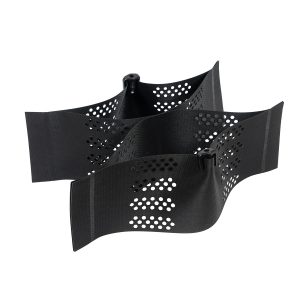
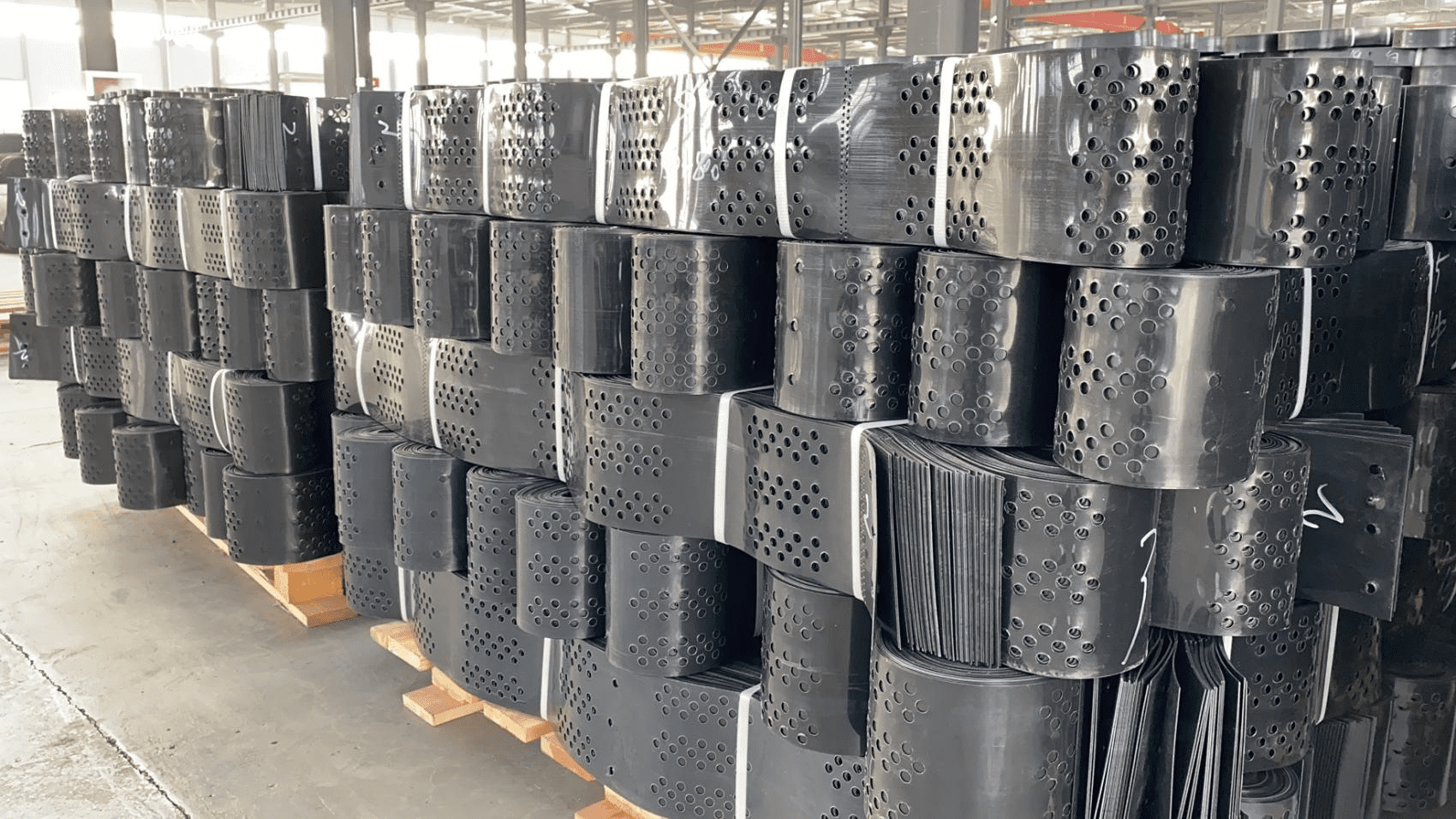
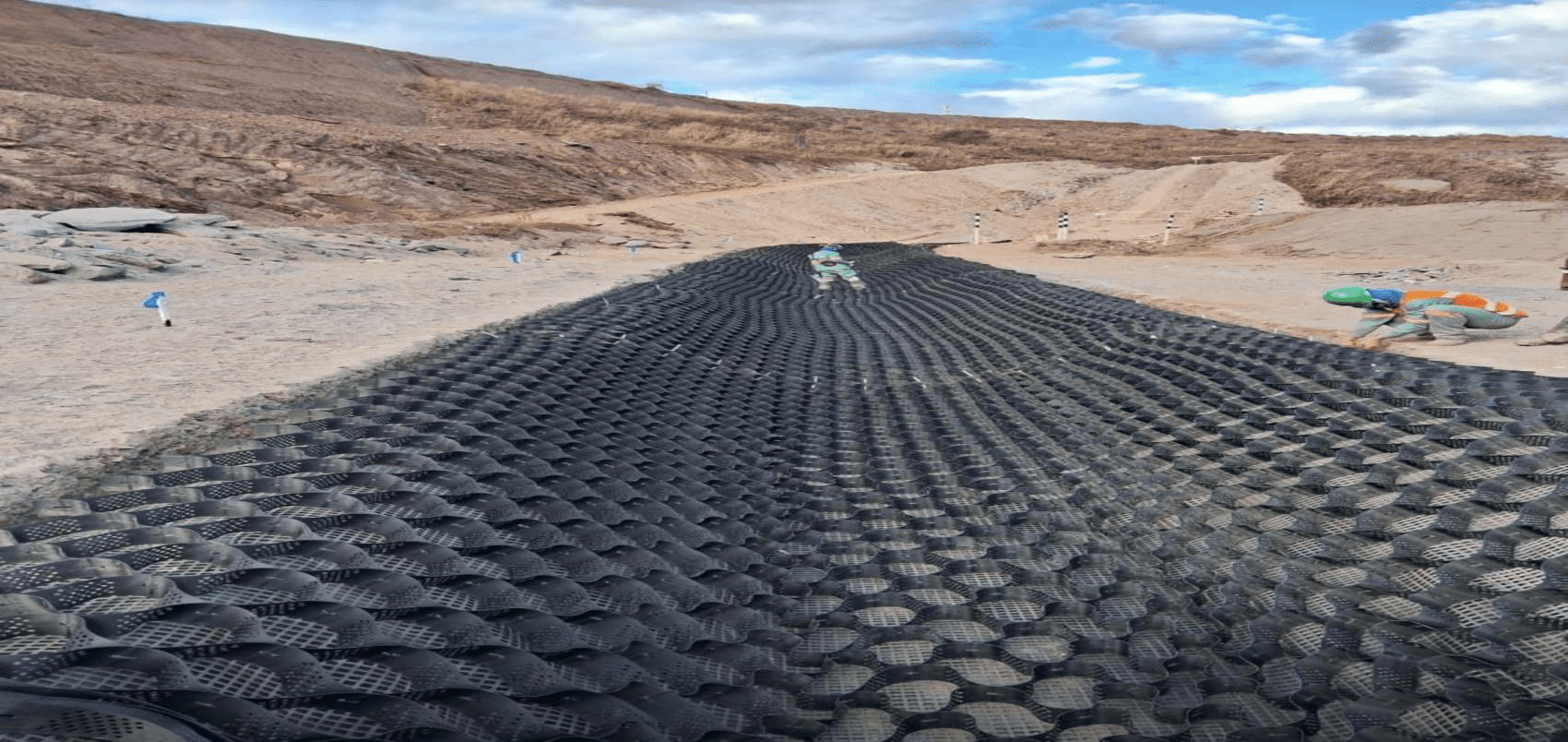
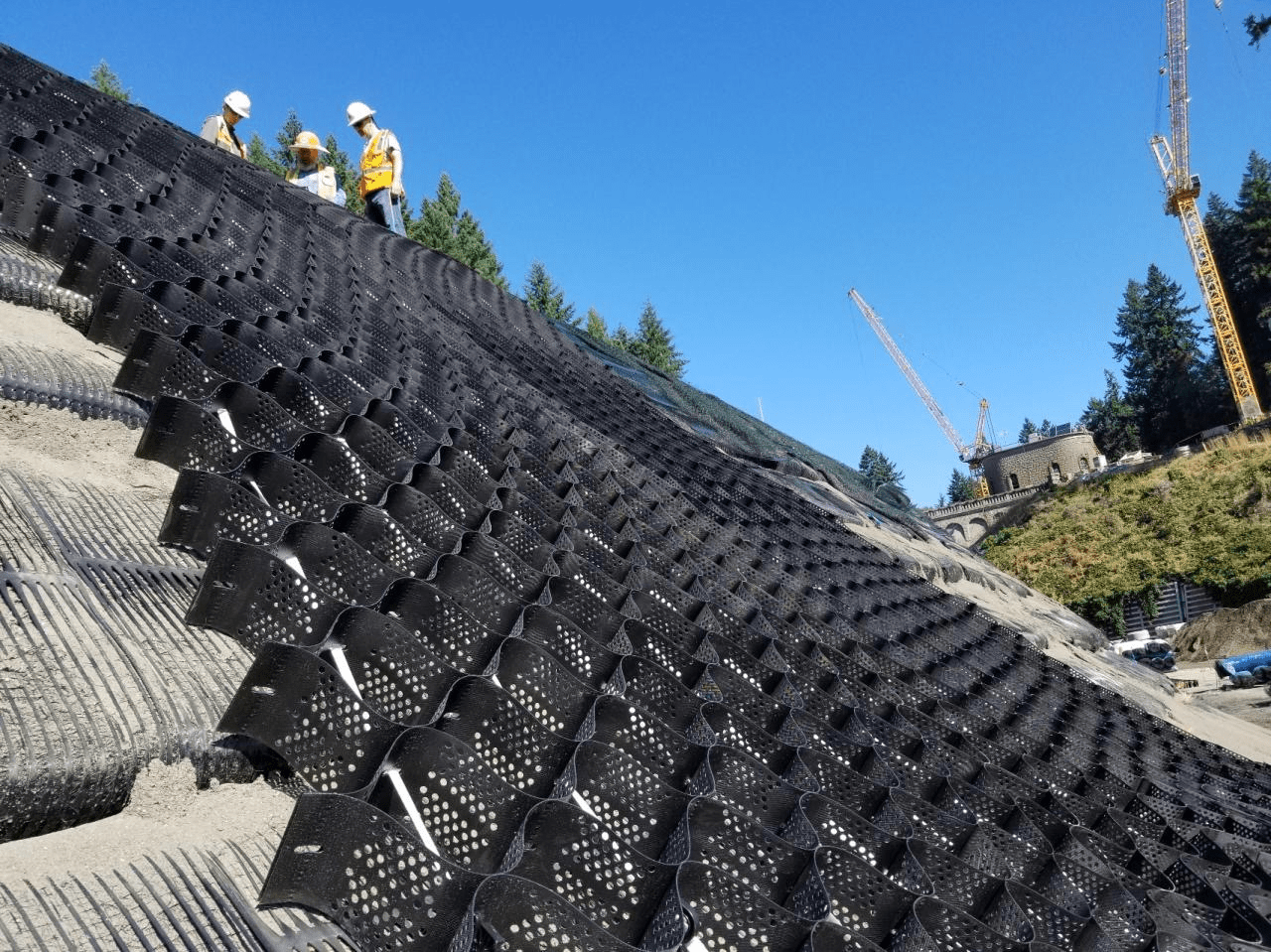
Geocell technology brings robust ways to mitigate urban landscaping and drainage challenges while supporting sustainable infrastructure. These cellular confinement systems tackle urban soil compaction and stormwater runoff by creating a stable, permeable base. We utilize geocells for geocell structural fill across a range of applications, from permeable paving geocell installations to advanced tree root protection systems. They excel in slope stabilization geocell projects, curbing erosion and supporting vegetation. Integrating geocells into sustainable drainage systems geocell designs enables efficient water management and strengthens urban resilience.
Enhanced Load Distribution and Soil Confinement
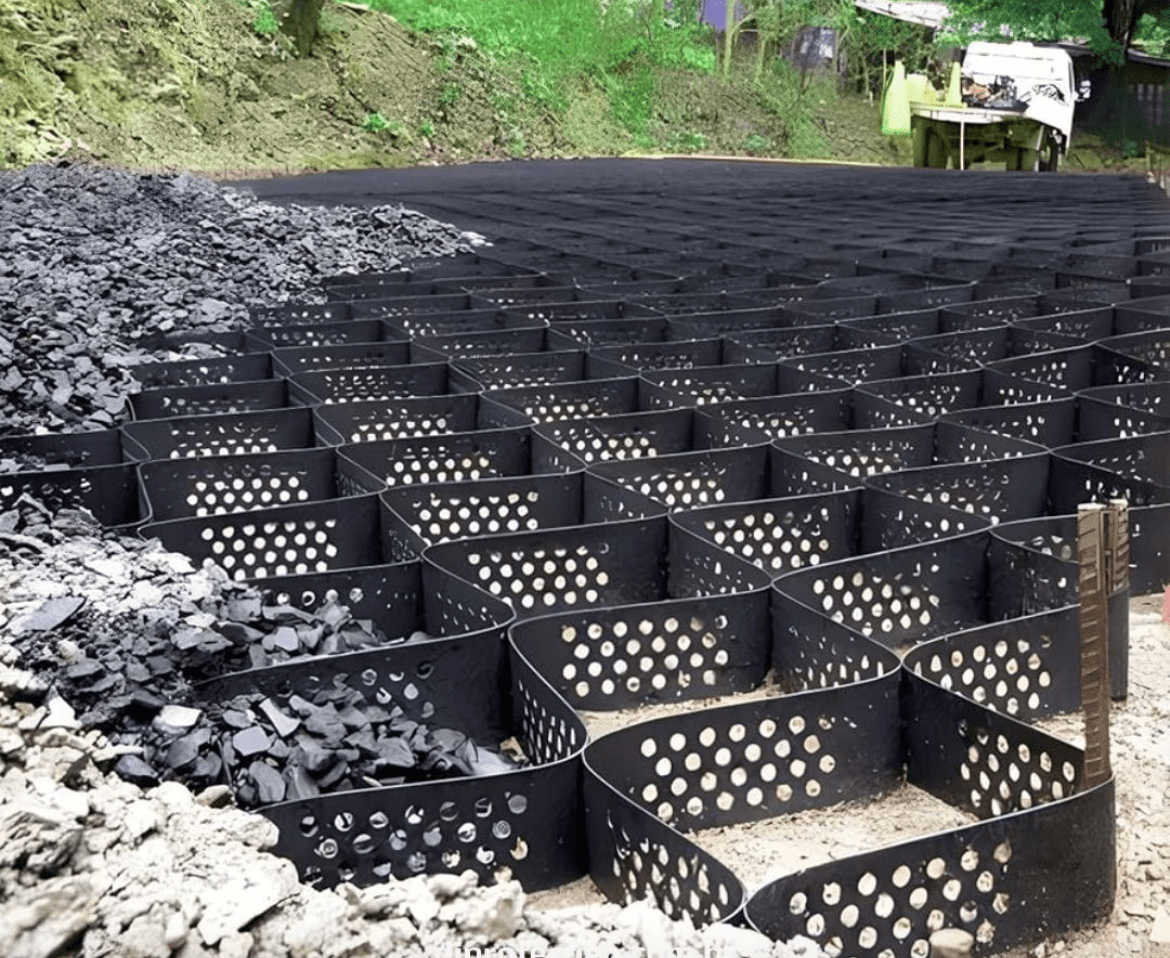
Geocells deliver enhanced load distribution and soil confinement that fit urban demands. The three-dimensional cellular structure confines infill materials, preventing lateral movement and markedly increasing the composite material’s shear strength. This mechanism ensures high geocell load bearing capacity for pedestrian walkways, parking areas, and light traffic roads. The confinement elevates soil stabilization urban performance by maintaining base layer integrity and preventing rutting. The result is a stable foundation suited to long-term urban infrastructure performance.
Integrated Stormwater Management Systems
Geocells play a central role in integrated stormwater management systems. They enable rapid stormwater infiltration and subsurface retention, cutting surface runoff volumes. This capability eases urban water harvesting challenges and reduces the strain on conventional drainage networks. Geocells establish subsurface drainage geocell pathways, allowing water to percolate naturally into the ground or be collected for reuse. This runoff reduction technology improves water quality by filtering pollutants and supports groundwater recharge.
If you are interested in learning more about how different materials contribute to infrastructure stability, consider exploring 《The Difference Of Geomembrane And Composite Geomembrane》.
Transformative Benefits of Geocell Integration
Integrating geocell technology delivers transformative benefits for urban projects, with gains on both environmental and economic fronts. These systems contribute to urban greening benefits by supporting healthier vegetation and more resilient ecosystems. We have observed substantial cost effective landscaping advantages due to reduced material requirements and streamlined installation. Geocells support long term urban infrastructure durability, reducing the need for frequent repairs. Their use also creates a positive environmental impact geocell, advancing sustainable practices and easing urban heat island effects. Projects often see reduced maintenance urban costs throughout their lifespan.
| Feature | Traditional Methods | Geocell Integration |
|---|---|---|
| Soil Stability | Moderate | High |
| Drainage | Limited | Excellent |
| Erosion Control | Variable | Superior |
| Lifespan | Shorter | Extended |
| Cost | High initial/maintenance | Lower long-term |
Ecological Resilience and Green Space Enhancement
Geocells raise ecological resilience and green space enhancement across urban settings. By protecting root systems from compaction, they foster urban biodiversity geocell and promote healthier tree growth. This tree health protection supports greater urban canopy cover and helps counter the urban heat island effect. Geocells sustain robust vegetation on slopes and in high-traffic areas, turning barren spots into thriving green infrastructure benefits. The outcome is more vibrant, functional, and ecologically balanced urban landscapes.
Economic Efficiency and Project Longevity
Implementing geocell solutions provides clear economic efficiency and project longevity. Our lifecycle cost analysis geocell consistently shows measurable savings compared to traditional construction methods. Lower construction costs come from reduced aggregate use and faster installation. With greater stability and durability, geocells extend the lifespan of urban infrastructure and limit future repair or replacement expenses. These durable urban solutions improve return on investment for municipal and private projects.
Regulatory Compliance and Sustainable Development
Geocell systems support regulatory compliance and sustainable development goals in practical ways. Their integration helps projects reach standards like LEED certification geocell by advancing green infrastructure and responsible resource management. These systems align with sustainable urban planning principles, contributing to resilient and environmentally sound cities. By managing stormwater and preventing erosion, geocells aid in meeting stringent environmental regulations compliance. This proactive approach keeps urban projects effective and ecologically responsible.
Real World Applications and Impact
Geocells show measurable impact across real-world urban applications. In urban park design geocell projects, they stabilize pathways and reinforce vegetated slopes, producing durable and attractive green spaces. For street tree planting geocell initiatives, they protect root zones from compaction, supporting long-term tree health and urban canopy growth. Rooftop garden drainage systems benefit from geocells through efficient water management and structural support for lightweight growing media. Pedestrian walkway stabilization comes from geocell confinement that prevents rutting and keeps surfaces even. Urban embankment protection also uses geocells to prevent erosion and establish vegetation on steep slopes.
Partner with Lianyi® for Superior Geocell Urban Solutions
Feicheng Lianyi Engineering Plastics Co.,Ltd. is a world-class leader in geosynthetics, delivering innovative geocell products engineered for the complexities of urban landscaping and drainage. Our ISO-certified solutions offer performance, durability, and sustainability for critical urban infrastructure projects. Connect with our team to design bespoke geocell systems that transform your urban environments. Contact us at +86 19153868161 or [email protected] for a comprehensive consultation.
FAQs
How do geocells enhance urban stormwater drainage systems?
Geocells improve urban stormwater drainage by forming a confined, permeable layer that enables efficient water infiltration and subsurface flow. This reduces surface runoff, curbs flooding, and supports groundwater recharge, making them an essential component of sustainable urban drainage solutions. They also prevent soil compaction, preserving porosity for water movement.
What are the primary benefits of using geocells in urban landscaping projects?
In urban landscaping, geocells provide enhanced soil stability for tree roots, prevent soil compaction under pedestrian or vehicular loads, deliver effective erosion control on slopes, and offer structural support for permeable pavements. These advantages support healthier urban green spaces, reduce maintenance, and increase the longevity of landscape features.
Can geocells be integrated with other urban green infrastructure components?
Absolutely. Geocells are highly versatile and can be integrated with rain gardens, bioswales, green roofs, and permeable paving systems. Their cellular confinement structure provides the stability and drainage capacity that helps these sustainable urban development elements perform well.
Are geocell installations cost-effective for municipal urban projects?
Yes, geocell installations are cost-effective for municipal urban projects over the long term. While initial investment is comparable to traditional methods, geocells significantly reduce maintenance needs, extend infrastructure lifespan, and prevent costly erosion and drainage failures. This produces substantial lifecycle savings, making them a smart “Advanced Solution” for “Urban Landscaping and Drainage”.
What types of urban areas benefit most from geocell drainage solutions?
Urban areas with limited space for green infrastructure, high stormwater runoff volumes, soil erosion on sloped terrains, or the need for durable permeable surfaces benefit most from geocell drainage solutions. This includes city parks, commercial plazas, residential developments, streetscapes, and any location requiring robust “Urban Landscaping and Drainage” improvements.