Call us today!

Soil instability keeps turning up as a stubborn problem across engineering work. We see erosion, shortfalls in load-bearing capacity, and slope failures disrupting projects around the world. Many traditional stabilization methods fall short or become uneconomical over the long term. Making sense of these pain points is the groundwork for durable, sustainable improvement strategies. Our focus stays on effective, long-lasting answers to problems this complex.
Addressing Critical Soil Instability Challenges
Infrastructure development often runs into significant soil instability. Engineers face pervasive soil erosion on steep slopes and along waterways, which undermines structural integrity and drives expensive repairs. Weak subgrade issues trigger pavement distress, rutting, and shorter service life for roads and railways, pushing maintenance budgets higher and causing operational disruptions.
Slope instability raises serious risks for construction sites and existing structures. Landslides and mass movements can cause catastrophic damage and loss of life. Conventional stabilization limitations, including heavy concrete structures or extensive earthworks, can be impractical because of cost, environmental impact, or logistical constraints. These methods frequently lack the flexibility needed for diverse geological conditions. There is an urgent need for advanced solutions that deliver both efficacy and sustainability in mitigating these widespread problems.
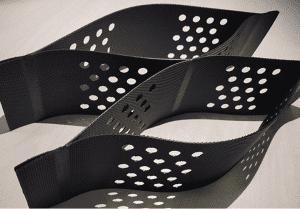
Geocell Technology for Superior Soil Confinement
Geocell technology reshapes soil behavior through cellular confinement system mechanics. A three-dimensional, interconnected network forms within the ground and measurably enhances soil properties. By confining granular infill within cells, the system prevents lateral movement and increases shear strength. Loads spread over a broader area, cutting down localized stress concentrations. Weak or unstable soils gain a marked boost in load-bearing capacity.
HDPE Geocell and Plastic Geocell are typically made from high-density polyethylene (HDPE), a durable and chemically inert polymer that supports long-term performance and resists environmental degradation. Perforated geocell benefits include improved drainage within the confined layer, preventing hydrostatic pressure buildup and maintaining optimal moisture content. The cellular structure also allows root penetration for vegetated systems, promoting natural stabilization. Our experience confirms that geocells offer a reliable and advanced solution for various ground improvement applications.
Mechanism of Cellular Confinement
The core principle of geocell technology is its 3D soil confinement capability. When granular material is placed within the interconnected cells, the cell walls restrain lateral displacement under vertical loads. This confinement increases the apparent cohesion and shear strength of the infill material. The cellular structure functions like a stiff mattress or slab, distributing loads more evenly across the subgrade. The added structural integrity can justify using lower-quality infill materials, reducing project costs.
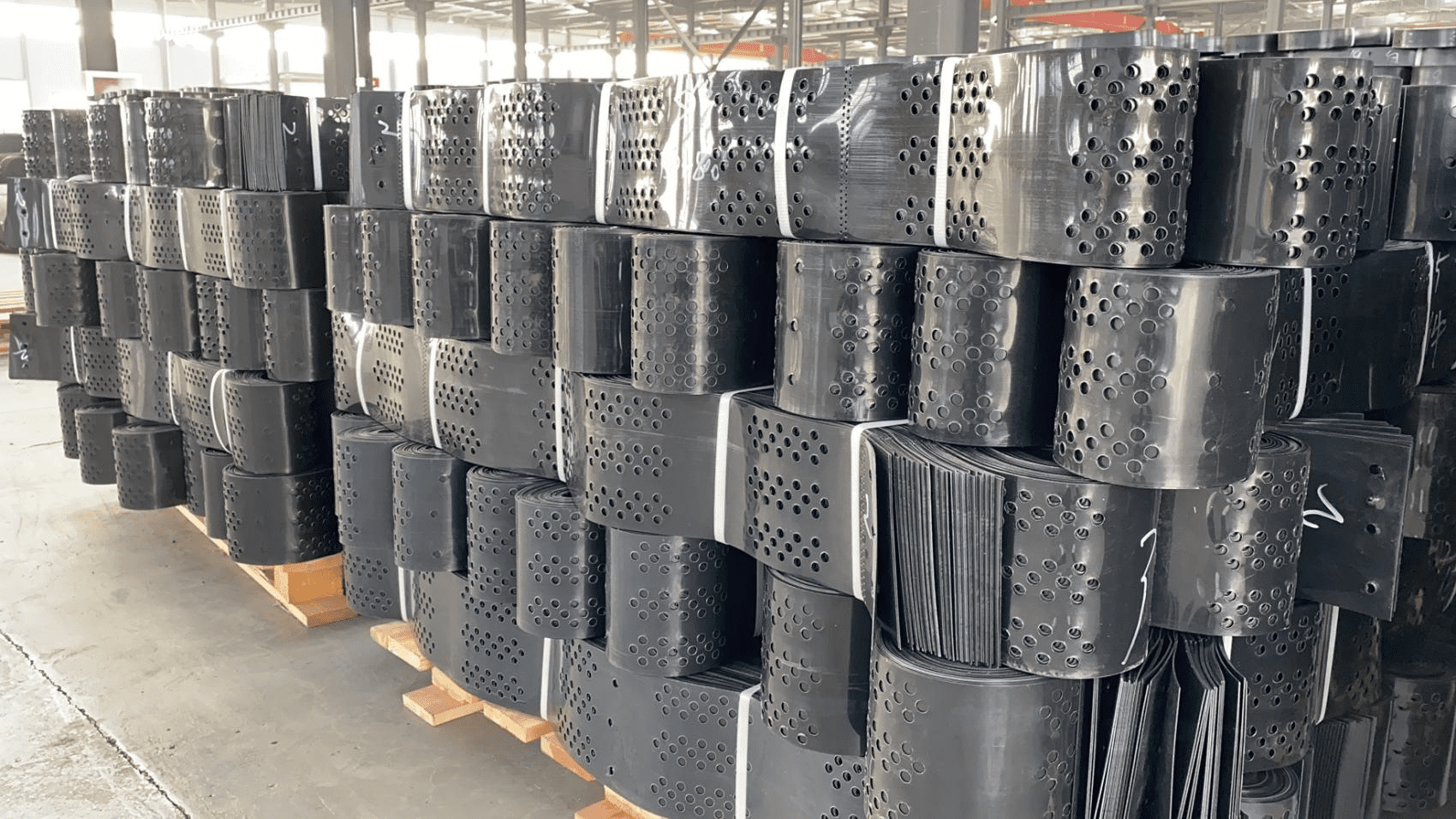
Versatile Applications for Ground Improvement
Geocells provide versatile applications for ground improvement across many civil engineering projects. They are widely used for geocell slope stabilization, preventing erosion and improving the stability of steep embankments. In transportation infrastructure, geocells serve as geocell road base reinforcement, improving performance and extending the life of unpaved and paved roads. We also implement them in geocell retaining walls, offering an aesthetically pleasing and structurally sound alternative to traditional methods. Geocells are effective for geocell channel protection, safeguarding waterways from scour and erosion. Their adaptability reaches geocell foundation improvement, creating stable platforms for a range of structures.
| Application Area | Primary Benefit | Infill Material |
|---|---|---|
| Slope Stabilization | Erosion control, increased shear strength | Vegetated soil, aggregate |
| Road Base Reinforcement | Enhanced load distribution, reduced rutting | Granular aggregate |
| Retaining Walls | Structural stability, aesthetic flexibility | Compacted soil, concrete |
| Channel Protection | Scour resistance, vegetation establishment | Aggregate, vegetated soil |
| Foundation Improvement | Increased bearing capacity, reduced settlement | Granular aggregate |
Tangible Benefits of Geocell Implementation
Implementing geocell systems brings tangible benefits that make them a preferred choice for modern engineering projects. Cost effective soil stabilization becomes achievable by reducing the required thickness of aggregate layers, trimming material and transportation expenses. We also see environmental benefits geocells provide, including minimized excavation and lower carbon footprints compared to conventional methods. Using locally available infill materials adds to sustainability.
Projects gain increased bearing capacity geocell, enabling higher loads on weak soils without excessive settlement and extending infrastructure service life. Reduced maintenance geocell follows from improved stability and erosion resistance. The cellular confinement system limits material migration and degradation over time. Geocells represent sustainable soil solutions that pair economic advantages with ecological responsibility, supporting long-term project success and resilience.
Lianyi® Geocells: Engineering Excellence for Stability
Feicheng Lianyi Engineering Plastics Co.,Ltd. is a leading supplier of geosynthetics, including high-quality geocell systems. We offer Lianyi geocell quality products, manufactured with precision and engineered for superior performance. Our geosynthetic supplier expertise ensures clients receive solutions tailored to specific project requirements. We maintain stringent quality control with ISO certified geocells, providing confidence in product reliability and consistency.
We specialize in custom geocell solutions, adapting products to diverse environmental and structural demands. Our commitment to reliable soil stabilization products is unwavering. We understand the critical role geocells play in enhancing ground stability and protecting vital infrastructure. Partnering with Lianyi means access to advanced engineering support and products that meet the highest industry standards.

Partner with Lianyi for Robust Ground Solutions
Strengthen your project’s resilience and longevity by integrating Feicheng Lianyi Engineering Plastics Co.,Ltd.’s world-class geocell systems. Our expertise in geosynthetics, backed by ISO 9001:2015, ISO 14001:2015, and OHSAS 18001:2007 certifications, ensures superior product quality and attentive technical support. Contact our specialists to discuss how our innovative geocell solutions can deliver advanced soil stability for your most challenging engineering endeavors. Visit our website or reach out via [email protected] or +86 19153868161 for a tailored consultation.
FAQs
What is the primary function of geocell systems in soil stabilization?
Geocell systems create a three-dimensional cellular confinement structure that prevents lateral movement of infill material. This confinement increases shear strength and load-bearing capacity, improving overall soil stability and preventing erosion, especially on slopes and in weak subgrades.
How do geocells contribute to long-term soil stability and erosion control?
Geocells form a robust, interconnected matrix that resists erosive forces and spreads loads over a wider area. The cellular structure supports effective root growth in vegetated applications, creating a living barrier against erosion while maintaining structural integrity under dynamic loading.
Are geocell systems environmentally friendly for ground improvement projects?
Yes. Geocell systems are considered environmentally friendly. They often reduce reliance on conventional, resource-intensive materials, minimize excavation, and can be filled with locally available aggregates or vegetated soil. This approach lowers a project’s carbon footprint, supports natural drainage, and aids ecological restoration through erosion control and vegetation establishment.