Call us today!

The effective deployment of geosynthetic materials is what keeps infrastructure performing well for the long haul. On our projects, we see how installation technique shows up later in the structural integrity and real-world benefits of geocell systems. Even the highest quality materials only reach their design life when applied with precision. This piece lays out the steps for successful geocell implementation so projects deliver as intended.
Foundational Principles of Geocell Deployment
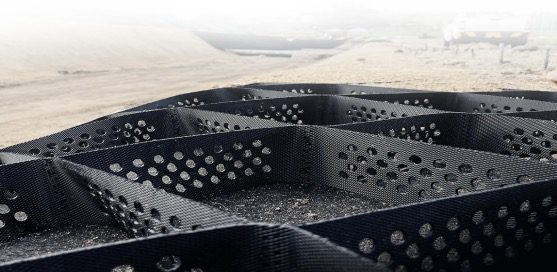
Understanding the fundamental principles behind geocell deployment helps maximize effectiveness. Geocell systems, also known as cellular confinement systems, enhance soil stability and load distribution. These systems are widely utilized across civil engineering applications, from subgrade stabilization to erosion control. When installed properly, the benefits include increased bearing capacity, reduced differential settlement, and enhanced resistance to shear forces.
Geocells shine in challenging environments. They confine infill materials, preventing lateral movement and creating a stiffened mattress effect. This confinement markedly improves the behavior of granular soils, allowing the use of marginal aggregates. Our projects have consistently shown that cellular confinement systems deliver superior long-term performance compared to conventional methods, particularly in areas prone to erosion or requiring significant load support.
Typical geocell application areas include road and railway base reinforcement, slope protection, channel lining, and retaining wall construction. The specific design considerations for each application dictate the geocell type, cell depth, and infill material. For instance, a deeper cell and robust infill are often required for high-traffic road bases, while shallower cells with vegetative infill suit erosion control on moderate slopes.
| Geocell Type | Primary Application | Key Benefit | Infill Material |
|---|---|---|---|
| Perforated | Road Base, Slopes | Drainage | Granular, Soil |
| Non-Perforated | Channel Lining | Containment | Concrete, Gravel |
| Textured | Steep Slopes | Friction | Soil, Aggregate |
Essential Site Preparation and Material Handling
Effective geocell installation starts with meticulous site preparation and sound material handling. These up-front steps help prevent common mistakes and protect long-term performance. If preparation is neglected, the entire geocell structure can be compromised, leading to premature failure and costly repairs.
Begin by clearing the site of debris, vegetation, and unsuitable organic material to create a clean, stable foundation for the geocell layer. Grade the subgrade to the specified contours and elevations to promote proper drainage and a uniform surface. Compact the subgrade to the required density to achieve optimal load transfer and limit future settlement.
On soft or problematic subgrades, install a geotextile separation layer beneath the geocell. This barrier prevents intermixing of subgrade soils with the infill, protecting the integrity and function of both layers. Plan for drainage so water is directed away and subgrade saturation is avoided, as trapped moisture undermines stability.
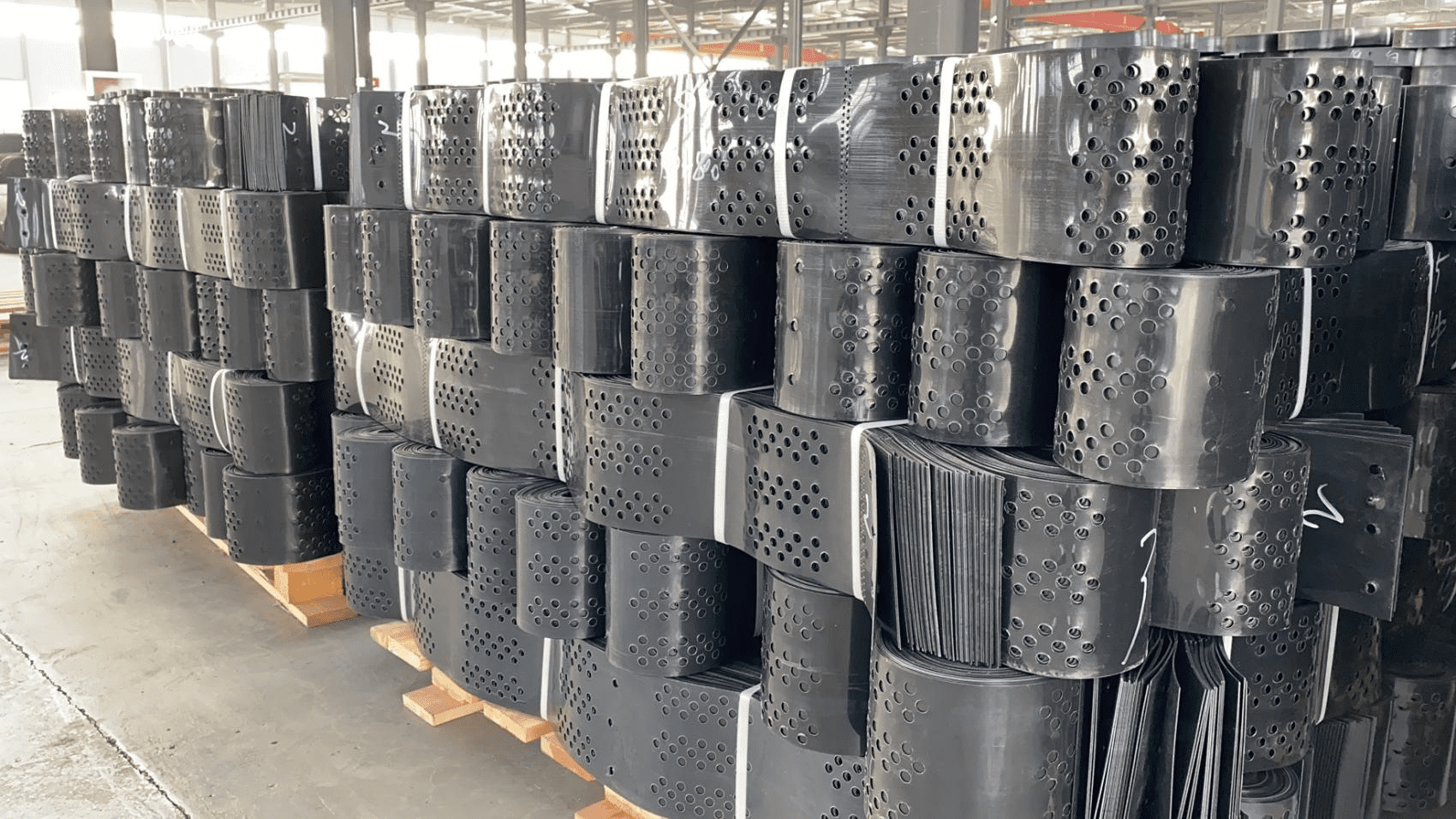
Material handling and storage matter just as much. Geocell panels, often supplied in collapsed, compact bundles, should be stored flat and dry, protected from direct sunlight and physical damage. Handle with care during transport and deployment to avoid punctures or tears that could compromise the cellular structure. We inspect all materials upon delivery for any manufacturing defects or shipping damage.
Step-by-Step Geocell Installation Procedures
Implementing a geocell system calls for a methodical approach where each step is carried out precisely. The following steps cover expansion, anchoring, and infilling. Consistent execution is key to achieving the system’s designed performance and service life.
Geocell Panel Expansion and Securing
The initial deployment and stabilization of geocell panels set the tone for overall system integrity.
- Position the collapsed geocell sections: Place the bundles at the designated starting points on the prepared subgrade.
- Expand the geocell panels: Gently pull the sections apart to form the honeycomb structure, confirming full expansion of each cell.
- Align the panels: Set the expanded panels to match the project layout, maintaining consistent cell alignment.
- Connect adjacent panels: Use the specified connection methods, such as staples, cable ties, or ultrasonic welding, to securely join panels.
- Anchor the geocell: Drive J-pins or rebar stakes through the outer cells into the subgrade at regular intervals to prevent movement.
- Verify stability: Check that all panels are securely anchored and fully expanded before moving on to infilling.
Infill Material Selection and Compaction
The choice and placement of infill directly shape performance and longevity.
- Select appropriate infill: Choose material based on project needs (e.g., granular for load support, topsoil for vegetation).
- Transport infill carefully: Deliver infill in a way that avoids damaging the expanded geocell panels.
- Place infill material: Spread the infill evenly over the panels, working steadily from one end to the other.
- Fill cells completely: Bring all cells up to the top of the geocell walls, avoiding voids.
- Compact the infill: Use the specified methods (e.g., vibratory plate compactors for granular, light rollers for soil) to reach the required density.
- Maintain infill level: Add more material as needed to make up for settlement during compaction.
For more information on geosynthetic products, you might find our article 《The Difference Of Geomembrane And Composite Geomembrane》 insightful.
Quality Assurance and Post Installation Care
Long-term performance depends on diligent quality assurance during installation and consistent care afterward. These checks validate the work and help maintain integrity over time. Without oversight, even a well-designed system can underperform.
During installation, continuous inspection is vital. Verify subgrade preparation, confirm geocell expansion and connection integrity, and monitor infill quality and compaction. We use a rigorous inspection checklist that covers all critical steps to ensure conformance with design specifications and best practices. This proactive approach surfaces issues early and gets them resolved immediately.
Post-installation care keeps the system working and looking the way it should. On vegetated slopes, that means regular watering, fertilizing, and replanting as needed to establish a healthy cover. For load-bearing applications, schedule routine checks for settlement, erosion, or damage. If rutting or exposed geocell appears, address it promptly with localized repairs or added infill.
Erosion control is ongoing. Watch drainage patterns and keep the geocell system free of debris. These habits extend service life and preserve both structural and environmental benefits. Our commitment to quality continues after installation, supporting sustained performance on every project.
Partner with Lianyi® for Your Geosynthetic Needs
Strengthen your project’s stability and longevity with Lianyi®’s world-class geosynthetic solutions. As a leading manufacturer with ISO 9001:2015, ISO 14001:2015, and OHSAS 18001:2007 certifications, we provide not just superior HDPE Geocell products but also unparalleled expertise and full support for your installation needs. Contact Feicheng Lianyi Engineering Plastics Co.,Ltd today for a tailored geosynthetics solution, expert consultation, or to discuss your specific Plastic Geocell installation requirements. Our team is ready to assist you in mastering cellular confinement systems for optimal performance.
Mobile: +86 19153868161
Email: [email protected]
FAQs
What is the primary purpose of a geocell cellular confinement system?
The primary purpose of a geocell cellular confinement system is to improve the load-bearing capacity of soils and provide effective erosion control. By confining infill materials within its cellular structure, geocells enhance soil stability, distribute loads more evenly, and prevent lateral movement, making them ideal for subgrade reinforcement, slope protection, and channel lining applications.
How do you properly prepare the subgrade before geocell installation?
Proper subgrade preparation is key for effective geocell installation. This process involves clearing the site of debris, vegetation, and unsuitable material, grading to the specified contours, and compacting the subgrade to reach the required density. In some cases, a geotextile separation layer may be installed beneath the geocell to prevent intermixing of subgrade and infill materials.
What types of infill materials are suitable for geocell systems?
A wide range of infill materials can be used with geocell systems, depending on the application. Common choices include granular materials like sand, gravel, and crushed stone for load support applications. For erosion control on slopes, topsoil with vegetative cover is frequently used. Concrete or recycled aggregates can also be employed for specific structural requirements, ensuring the geocell system performs optimally.
What are the common anchoring methods for geocell panels?
Common anchoring methods for geocell panels depend on the slope angle and soil conditions. For flatter slopes, J-pins or rebar stakes driven through the geocell walls into the subgrade are often sufficient. On steeper slopes or in high-stress areas, deadman anchors, trenches, or even tie-back systems may be employed to provide additional stability and prevent panel movement during and after geocell installation.
How does Lianyi® ensure the quality of its geocell products for reliable installation?
Lianyi® ensures the quality of its geocell products through a rigorous quality management system, holding certifications such as ISO 9001:2015, ISO 14001:2015, and OHSAS 18001:2007. We specialize in developing innovative geosynthetic products, including geocells, that meet stringent industry standards. Our commitment to superior products, backed by unparalleled expertise, guarantees that our geocells are designed for reliable performance and straightforward installation, supporting successful project outcomes for our worldwide customers.